Enhance Mobility with NDIS Programs

In today's world, mobility is more than just movement; it’s a vital component of independence and well-being for individuals with disabilities. Have you ever considered how significant improved mobility can be for someone’s self-esteem and social engagement? This article sheds light on the transformative power of movement programs under the National Disability Insurance Scheme (NDIS) and how they can open doors to a fulfilling life.
What You Will Learn
- Mobility improvement encompasses more than just physical movement; it greatly impacts emotional health and social interactions.
- The NDIS provides essential funding and support for movement programs, promoting independence and tailored exercise regimens.
- Real-world case studies demonstrate how tailored movement programs have successfully improved mobility and quality of life for individuals.
- Understanding the effectiveness of various mobility aids can help participants make informed choices about their support options.
- Therapeutic recreation plays a critical role in mobility enhancement, integrating enjoyable activities to improve both physical and emotional well-being.
Effectiveness of Mobility Aids and Outcomes from NDIS-Supported Programs
Insights from real-world cases highlight the impact of mobility aids and tailored movement programs under the NDIS. For a deeper understanding of how exercise physiology integrates with NDIS support, you can explore NDIS and Exercise Physiology Insights.
Wheelchairs
Report increased independence among users, allowing them to navigate their surroundings with ease.
Walking Frames
These devices provide essential support, helping users build strength and confidence in their mobility.
Scooters
Popular among those seeking greater range and comfort, scooters often enhance community participation.
Real-World Successes
- Sarah regained confidence and walked unaided.
- James increased walking endurance through a structured regimen.
- Emma enhanced upper body strength, engaging actively in community events.
- Leo improved balance and coordination with physiotherapist guidance.
Understanding Mobility Support Through Movement Programs under NDIS
Improving mobility is crucial for individuals with disabilities. It can significantly enhance their overall well-being by promoting independence and self-confidence. Mobility improvement allows people to engage more fully in daily activities, interact with their communities, and ultimately lead more fulfilling lives.
When we think about mobility, it’s important to recognize that it goes beyond just physical movement. Enhanced mobility impacts various aspects of life, from emotional health to social interactions. This is why tailored movement programs, like those offered by Health Moves, play a vital role in supporting individuals on their journeys. For further insights into how these programs are structured, consider reading about building movement programs for disabilities.
Defining Mobility Improvement and Its Importance
Mobility improvement is about maximizing an individual's ability to move freely and safely. This can include various forms of movement, such as walking, using assistive devices, or participating in exercises designed to strengthen muscles. For those with disabilities, achieving better mobility can open up opportunities for participation in community activities, thus boosting mental health and social connectivity.
Think about it this way: when someone can move more easily, it can lead to increased confidence and reduced feelings of isolation. Movement programs create a pathway for individuals to explore their potential, whether through group classes or personalized training sessions. At Health Moves, we emphasize the importance of these programs in nurturing a supportive environment.
Overview of the National Disability Insurance Scheme (NDIS)
The National Disability Insurance Scheme (NDIS) is a key initiative in Australia dedicated to providing support for individuals with disabilities. Its primary purpose is to ensure that participants receive the necessary funding to access services they need, including movement programs. This means that individuals can engage in tailored exercise regimens, access mobility aids, and receive assistance from allied health professionals.
Understanding how the NDIS works can be quite overwhelming at first. However, it is designed to empower participants by offering a range of services that cater to their unique needs. Here's a brief overview of what the NDIS does:
- Provides financial support for essential services.
- Encourages independence and community participation.
- Offers tailored plans based on individual goals and needs.
- Facilitates access to health professionals for movement programs.
This support is crucial for individuals aiming to improve their mobility and overall quality of life. At Health Moves, we believe that understanding NDIS can help families navigate the complexities of available resources more effectively. To learn more about setting NDIS goals through movement programs, check out NDIS Goals Through Movement Programs.
Pro Tip
When selecting a movement program or mobility aid, consider involving your healthcare provider in the decision-making process. Their expertise can help tailor a plan that meets your specific needs and goals, ensuring a more effective and enjoyable experience.
Real-World Outcomes of NDIS-Supported Movement Programs
Case Studies Highlighting Successful Mobility Improvements
When it comes to understanding the impact of movement programs under the NDIS, real stories can make all the difference. For instance, I’ve seen firsthand how tailored movement programs can transform lives. One participant, Sarah, began her journey with a simple goal: to walk unaided. Through a carefully crafted exercise plan, she not only achieved that goal but also regained confidence in her daily activities!
These success stories are not isolated. Many individuals have shared their experiences, showcasing how effective movement programs have led to significant mobility improvements. For example:
- James, a young adult with cerebral palsy, increased his walking endurance through a structured exercise regimen.
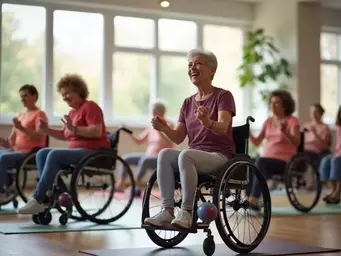
- Emma, who uses a wheelchair, enhanced her upper body strength, enabling her to engage more actively in community events.
- Leo experienced noticeable progress with balance and coordination, thanks to a dedicated physiotherapist.
By hearing these stories, it becomes clear how impactful NDIS-supported movement programs are. They not only help with physical mobility but also enhance overall quality of life, bringing families closer together as they celebrate these milestones!
Comparative Insights on Mobility Aids and Their Effectiveness
Understanding the effectiveness of various mobility aids can guide NDIS participants in making informed choices. Through my interactions with clients at Health Moves, I often gather valuable insights about different aids they use. Here’s a summary of the most commonly used aids and their reported effectiveness:
- Wheelchairs: Many users report increased independence, allowing them to navigate their surroundings with ease.
- Walking frames: These devices provide essential support, helping users build strength and confidence in their mobility.
- Scooters: Popular among those seeking greater range and comfort, scooters often enhance community participation.
In our experience, the right mobility aid can significantly enhance user experience, allowing individuals to engage more fully in their communities. It’s vital to consider not just the aid itself, but also how it complements the movement programs tailored by professionals! You can explore more on choosing an NDIS exercise physiologist to guide this process.
The Role of Therapeutic Recreation in Mobility Enhancement
Therapeutic recreation is an often-overlooked aspect of mobility improvement, yet it plays a crucial role in enhancing social engagement. By integrating enjoyable activities into movement programs, individuals can experience both physical benefits and emotional wellness. For instance, participating in group sports or dance classes encourages not only movement but also connection!
Here are some ways therapeutic recreation can enhance mobility:
- Encouraging participation in group activities that focus on movement.
- Providing opportunities for social interaction, which can boost motivation.
- Promoting fun and enjoyment, making physical activity feel less like a chore.
At Health Moves, we recognize the importance of creating enjoyable programs that not only improve mobility but also foster a sense of community. By focusing on these aspects, we empower individuals to embrace their abilities and engage more with the world around them!
Frequently Asked Questions About NDIS Movement Programs and Mobility
- Q: What is mobility improvement in the context of NDIS?
- A: Mobility improvement under NDIS refers to maximizing an individual's ability to move freely and safely, including walking, using assistive devices, and participating in strength-building exercises. It aims to enhance independence, confidence, and participation in daily and community activities.
- Q: How does the NDIS support movement programs?
- A: The NDIS provides financial support for participants to access essential services, including tailored exercise regimens, mobility aids, and assistance from allied health professionals. It offers personalized plans based on individual goals to foster independence and community participation.
- Q: Can you give examples of successful mobility improvements through NDIS programs?
- A: Yes, case studies show individuals like Sarah regaining the ability to walk unaided, James increasing walking endurance, Emma enhancing upper body strength for community engagement, and Leo improving balance and coordination with physiotherapist guidance. These programs significantly enhance both physical mobility and overall quality of life.
- Q: What types of mobility aids are commonly supported by NDIS?
- A: Commonly supported mobility aids include wheelchairs for increased independence, walking frames for support and confidence building, and scooters for greater range and community participation. The right aid is chosen to complement tailored movement programs.
- Q: What is the role of therapeutic recreation in mobility enhancement?
- A: Therapeutic recreation integrates enjoyable activities like group sports or dance classes into movement programs. It enhances mobility by encouraging participation, providing social interaction, boosting motivation, and promoting fun, thereby improving both physical and emotional well-being.
Recap of Key Points
Here is a quick recap of the important points discussed in the article:
- Mobility improvement enhances overall well-being, promoting independence and self-confidence.
- Tailored movement programs, like those offered by Health Moves, are crucial for supporting individuals with disabilities.
- The NDIS provides financial support and access to essential services, empowering participants to achieve their mobility goals.
- Real-world success stories highlight the positive impact of NDIS-supported movement programs on individuals’ mobility and quality of life.
- Understanding and choosing the right mobility aids can significantly enhance independence and community engagement.
- Therapeutic recreation plays a vital role in mobility enhancement by combining physical activity with social engagement and enjoyment.