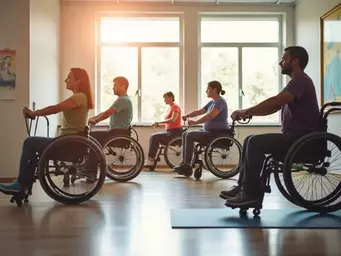
Exercise Benefits for NDIS Participants

What if unlocking a healthier and happier life for NDIS participants was as simple as incorporating regular exercise into their routines? Exercise is not merely a physical endeavor; it's a transformative journey that enhances well-being and fosters independence. Let's explore how tailored exercise programs can lead to meaningful changes in the lives of those involved in the NDIS.
What You Will Learn
- The definition of Exercise Physiology and its significance for NDIS participants.
- Key components of tailored exercise programs that address individual needs and promote functional movement.
- The importance of focusing on NDIS outcomes through exercise to enhance physical function and mental well-being.
- Strategies for sustaining exercise gains beyond program completion, such as setting realistic goals and fostering community support.
- Real-world case studies demonstrating the positive impacts of exercise on the lives of NDIS participants.
- The role of community participation and peer support in maintaining engagement and motivation in exercise programs.
Key Benefits of Focusing on NDIS Outcomes Through Exercise
Exercise significantly enhances the lives of NDIS participants. Below are the essential benefits highlighted in the article. To gain a deeper understanding of how exercise physiology can benefit NDIS participants, consider exploring NDIS and Exercise Physiology Insights.
Enhanced Physical Function and Independence
Improved mobility and daily living skills through tailored exercise programs.
Improved Mental Well-Being and Reduced Anxiety
Regular exercise can lead to lower stress levels and enhanced mood.
Greater Social Interaction and Community Involvement
Engagement in group activities fosters connections and reduces isolation.
Increased Overall Health Leading to Fewer Hospital Visits
Consistent physical activity can prevent health complications.
Understanding the Role of Exercise in Enhancing NDIS Participant Outcomes
Exercise is much more than just physical activity; it plays a crucial role in improving the lives of NDIS participants. When we talk about Exercise Physiology, especially at Health Moves, we focus on how tailored movement programs can target individual needs. It’s not just about getting fit; it’s about fostering independence and enhancing overall well-being!
For many, understanding how exercise fits into their NDIS journey can feel overwhelming. That's why I aim to break it down into manageable pieces. Think of exercise as your personal toolkit—it contains various tools that help create a healthier, happier you! By focusing on specific goals, we can effectively work towards achieving the NDIS outcomes that matter most. For more detailed information on how to integrate exercise into NDIS plans, check out our guide on Exercise Programs for NDIS Participants.
Defining Exercise Physiology for NDIS Participants
So, what exactly is Exercise Physiology? In simple terms, it's the study of how exercise impacts the body and mind. For NDIS participants, this means developing individualized plans that address unique challenges. At Health Moves, we believe these plans should be rooted in the participant's interests and abilities.
Here are some key components of Exercise Physiology for NDIS participants:
- Understanding the specific needs of each participant
- Creating tailored exercise programs that promote functional movement
- Monitoring progress and making necessary adjustments
- Providing education and support to participants and their families
Why Focus on NDIS Outcomes Through Exercise?
Focusing on NDIS outcomes through exercise is essential for several reasons. Primarily, it helps participants achieve their goals while improving their quality of life. At Health Moves, we emphasize that exercise can lead to significant improvements in physical and mental health.
Consider these benefits of focusing on NDIS outcomes through exercise:
- Enhanced physical function and independence
- Improved mental well-being and reduced anxiety
- Greater social interaction and community involvement
- Increased overall health leading to fewer hospital visits
By bridging the gap between NDIS supports and community understanding, we can empower participants to achieve their goals. Embracing exercise as a fundamental part of this journey is not just beneficial—it's transformative! To learn more about how NDIS goals can be achieved through movement, read about NDIS Goals through Movement Programs.
Pro Tip
Did you know? Consistency is key when it comes to exercise for NDIS participants. Establishing a routine not only enhances physical benefits but also reinforces mental resilience. Try incorporating a mix of activities—like strength training, aerobic exercises, and flexibility routines—tailored to individual preferences to keep things engaging and enjoyable!
FAQs about Exercise and NDIS Outcomes
- Q1: What is Exercise Physiology in the context of NDIS?
- A1: Exercise Physiology for NDIS participants involves developing individualized exercise plans that address unique challenges and promote functional movement, fostering independence and overall well-being. It focuses on how exercise impacts the body and mind.
- Q2: What are the main benefits of focusing on NDIS outcomes through exercise?
- A2: The primary benefits include enhanced physical function and independence, improved mental well-being and reduced anxiety, greater social interaction and community involvement, and increased overall health leading to fewer hospital visits.
- Q3: How can NDIS participants sustain exercise gains long-term?
- A3: Sustaining gains beyond program completion involves setting achievable long-term goals, encouraging social support, scheduling regular follow-ups, and fostering an exercise community to maintain engagement and motivation.
- Q4: How important is community participation and peer support in NDIS exercise programs?
- A4: Community participation and peer support are crucial. Feeling connected to others enhances emotional well-being and encourages regular physical activity. Peer support boosts motivation, accountability, and provides shared experiences that inspire participants.
- Q5: Can you provide an example of a successful NDIS exercise program outcome?
- A5: One example includes a young adult with cerebral palsy who significantly improved mobility and confidence through a custom strength training program, enhancing both physical abilities and self-esteem.
Long-Term Impact of Exercise on NDIS Participant Outcomes
When we talk about the long-term impact of exercise, we're diving into how consistent physical activity can change the lives of NDIS participants. It's not just about feeling good in the moment; it's about creating lasting benefits that extend well beyond the end of an exercise program. As someone deeply invested in the world of exercise physiology, I’ve seen firsthand how a tailored movement program can lead to remarkable changes over time.
One key to achieving these long-term benefits is developing strategies that help participants maintain their gains even after a program ends. This can include setting realistic goals, encouraging regular check-ins, and fostering a supportive environment. Keeping motivation high is crucial—after all, exercise should be enjoyable and not just another task on a checklist!
Strategies for Sustaining Gains Beyond Program End
To help participants continue thriving after their exercise programs, we can implement a few effective strategies. Here’s a quick list of some approaches that work well:
- Setting achievable long-term goals: This keeps everyone focused and provides a sense of direction.
- Encouraging social support: Having a friend or family member join in can make exercise more enjoyable.
- Regular follow-ups: Scheduling periodic check-ins can help track progress and adjust goals as needed.
- Creating an exercise community: Connecting with others can foster a sense of belonging and accountability.
At Health Moves, I've seen these strategies work wonders. When participants feel supported and engaged, they're more likely to stick with their exercise routines, leading to sustained benefits. For more information on tailored approaches, consider exploring Tailored Movement Programs for NDIS.
Case Studies: Real-world Examples of Success in NDIS Exercise Programs
Real-life examples often speak louder than words! Through Health Moves, we’ve had the pleasure of working with many participants whose stories highlight the importance of exercise in their lives. Here are a couple of inspiring case studies:
- Case Study 1: A young adult with cerebral palsy improved their mobility and independence through a custom strength training program, which not only enhanced physical abilities but also boosted confidence.
- Case Study 2: An elderly participant with arthritis experienced reduced pain and improved joint function, allowing them to engage in community activities they once avoided.
These stories illustrate how personalized exercise programs can dramatically impact participants' lives, reinforcing the importance of tailored approaches.
Community Participation and Its Role in Long-Term Wellbeing
Community participation is crucial for long-term wellbeing. Feeling connected to others not only encourages regular physical activity but also enhances emotional wellbeing. Activities can vary widely—think group classes, community sports teams, or even social meet-ups centered around exercise. The more involved participants are, the more likely they are to keep moving!
At Health Moves, we emphasize community engagement because we know it can lead to lasting change. When participants see exercise as part of a social experience, it becomes something they look forward to rather than a chore. Learn more about Inclusive Exercise Programs for All to see how we foster this engagement.
The Importance of Peer Support in Maintaining Exercise Engagement
Peer support can be a game changer for keeping individuals engaged in their exercise routines. Encouraging participants to connect with others who share similar goals creates a sense of camaraderie. This can lead to:
- Increased motivation: Sharing progress and challenges can motivate individuals to stay active.
- Accountability: Knowing that someone else is counting on you can help maintain commitment.
- Shared experiences: Hearing success stories from peers can inspire participants to push themselves further.
Incorporating peer support into exercise programs is something I genuinely believe enhances the overall experience and helps participants achieve their goals.
Conclusion: The Future of Exercise Therapy for NDIS Participants
As we look to the future of exercise therapy for NDIS participants, the possibilities are exciting! Creating a comprehensive framework for integrating exercise into daily life is essential for maximizing the benefits of NDIS supports.
Let’s keep the conversation going! For those who want to dive deeper into navigating NDIS funding for exercise therapy, I encourage you to download our NDIS Exercise Funding Checklist today. Together, we can empower individuals to lead healthier, more active lives!
Recap of Key Points
Here is a quick recap of the important points discussed in the article:
- Exercise is essential for NDIS participants, enhancing independence and overall well-being.
- Tailored exercise physiology plans address individual needs, focusing on functional movement and personal interests.
- Focusing on NDIS outcomes through exercise improves physical function, mental health, and community involvement.
- Long-term success requires setting achievable goals, encouraging social support, and fostering a community around exercise.
- Real-world case studies demonstrate the transformative impact of personalized exercise programs on participants' lives.
- Peer support enhances motivation and accountability, helping individuals stay engaged in their exercise routines.