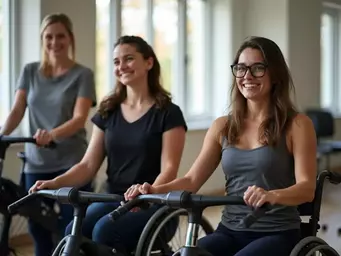
Inclusive Movement for Every Ability
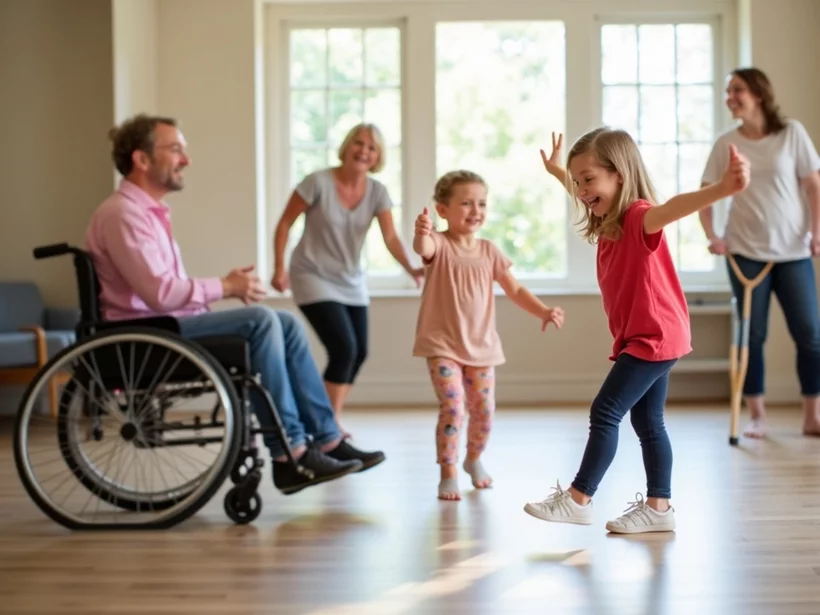
What if the key to personal growth and community enhancement lies in the inclusivity of movement programs? As we strive for a society that values every individual, inclusive movement initiatives play a pivotal role in fostering connections, building confidence, and promoting well-being for all abilities. Here's a glimpse into the transformative impact these programs can have.
What You Will Learn
- Inclusive movement programs foster essential life skills such as teamwork, communication, and resilience for individuals with disabilities.
- Regular participation in inclusive activities significantly enhances emotional well-being, reducing anxiety and depression symptoms.
- Adaptable programming is crucial, allowing for various activities that cater to diverse needs while ensuring safety and enjoyment.
- Effective coaching in inclusive programs empowers participants, encouraging them to explore their abilities and achieve personal goals.
- Building a strong sense of community through social connections is vital, as friendships formed in these programs often lead to lasting support networks.
- Community involvement and feedback are essential for refining and improving inclusive movement programs over time.
Key Benefits of Inclusive Movement Programs
Inclusive movement programs enhance community, emotional well-being, and personal growth. Below are some significant outcomes from participation, reflecting the comprehensive benefits of building movement programs for disabilities:
Enhanced Social Inclusion
Building friendships and networks among participants leads to a greater sense of community.
Improved Emotional Well-Being
Engaging in physical activity reduces anxiety and depression symptoms.
Increased Self-Esteem
Achieving personal goals in movement boosts confidence levels.
Greater Independence
Learning new skills and participating in activities enhances life skills.
Understanding the Importance of Inclusive Movement Programs for All Abilities
Inclusive movement programs play a vital role in fostering a sense of community, promoting well-being, and enhancing the quality of life for individuals of all abilities. At Health Moves, we believe that everyone deserves the opportunity to engage in physical activities that cater to their unique needs. By prioritizing inclusivity, we create an environment where all individuals can thrive through movement, regardless of their physical or intellectual challenges.
One of the key components of these programs is the recognition that *everyone* has the right to participate in physical education and recreation. We often hear stories from families and participants about how inclusive programs have changed their lives, turning exercise from a daunting task into an enjoyable and empowering experience.
Why Inclusivity Matters in Physical Education and Recreation
Inclusivity in physical education is crucial for several reasons. First, it allows individuals with disabilities to develop essential life skills, such as teamwork, communication, and resilience. Engaging in *physical activities* can build confidence and self-esteem, which are vital components of personal growth. Moreover, inclusive programs foster friendships and strengthen community ties, creating a support system for all participants, which is a core aspect of inclusive exercise programs for all.
- Promotes social interaction: Inclusive programs encourage participants to meet and connect with others.
- Enhances emotional health: Regular movement can reduce feelings of anxiety and depression.
- Fosters independence: Participants learn new skills that can be applied outside the program.
At Health Moves, we understand that when everyone is included, we not only enhance individual experiences but also enrich the community as a whole. When individuals feel accepted and valued, they are more likely to engage actively, leading to better overall health outcomes.
Defining Inclusive Movement Programs: A Comprehensive Overview
So, what exactly are inclusive movement programs? In essence, they are designed to accommodate participants with various abilities, ensuring that everyone can partake in fun and enjoyable activities. These programs are tailored to meet the unique needs of each individual, allowing for modifications that enhance participation without compromising safety or enjoyment.
- Adaptable activities: Programs should include a range of activities that can be adjusted based on individual needs.
- Supportive environments: Creating safe spaces is essential for fostering confidence and comfort.
- Engaged staff: Trained instructors who understand inclusivity can make a significant difference in participant experiences.
By defining inclusive movement programs in this way, we underscore the importance of flexibility and creativity. It's about finding ways to break down barriers and provide everyone with the tools they need to lead active, fulfilling lives.
The Role of Disability Rights in Promoting Inclusive Fitness
Disability rights play a fundamental role in shaping inclusive movement programs. These rights advocate for equitable access to all facets of society, including fitness and recreation. By understanding and upholding these rights, we at Health Moves ensure that our programs align with the principles of equality and respect.
Incorporating disability rights into fitness programs means:
- Advocating for policy change: Encouraging local governments to support inclusive initiatives.
- Raising awareness: Educating the community about the benefits of inclusive participation.
- Encouraging collaboration: Partnering with organizations that focus on disability rights can amplify our impact.
As we work together to promote these principles, we create a culture where everyone has the opportunity to enjoy the life-affirming benefits of movement. At Health Moves, we are committed to not only providing services but also advocating for a more inclusive world for all. For more insights, consider how NDIS and exercise physiology insights contribute to this inclusive vision.
Quick Summary
Here's a brief recap of the key points discussed so far:
- Inclusive movement programs foster community, well-being, and enhance quality of life for individuals of all abilities.
- These programs promote social interaction, emotional health, and independence through engaging activities.
- Understanding disability rights is vital for creating equitable access to fitness and recreation for everyone.
Frequently Asked Questions About Inclusive Movement Programs
Here are some common questions about inclusive movement programs and their benefits:
- What are inclusive movement programs?
- Inclusive movement programs are designed to accommodate participants with diverse abilities, ensuring everyone can partake in fun and enjoyable physical activities. They are tailored to individual needs, allowing for modifications that enhance participation without compromising safety or enjoyment.
- What are the key benefits of participating in inclusive movement programs?
- These programs offer numerous benefits, including enhanced social inclusion, improved emotional well-being (reduced anxiety and depression), increased self-esteem through achieving personal goals, and greater independence by learning new skills and participating in activities.
- Why is inclusivity important in physical education and recreation?
- Inclusivity allows individuals with disabilities to develop essential life skills like teamwork, communication, and resilience. It builds confidence and self-esteem, fosters friendships, and strengthens community ties, creating a vital support system for all participants.
- How do disability rights relate to inclusive fitness?
- Disability rights advocate for equitable access to all aspects of society, including fitness and recreation. Upholding these rights ensures that inclusive movement programs align with principles of equality and respect, providing everyone with the opportunity to enjoy the benefits of movement.
- What role does coaching play in inclusive movement programs?
- Effective coaching is central to inclusive programs. Coaches who understand the unique needs of individuals with disabilities create supportive environments, promote growth and confidence, and empower participants to explore their abilities and overcome challenges.
Summarizing the Benefits of Inclusive Movement Programs
When we look at inclusive movement programs, it's clear that their benefits extend far beyond just physical fitness. These programs open doors to new opportunities for social interaction, emotional growth, and a sense of belonging. In my experience with Health Moves, I've seen firsthand how participants thrive not only in their physical abilities but also in their overall well-being.
Inclusion in movement programs fosters a community atmosphere where everyone feels valued and respected. This is especially important for individuals with disabilities, as it allows them to connect with others who may share similar experiences. By embracing inclusive practices, we create spaces that celebrate diversity and empower everyone to participate actively.
Positive Outcomes Beyond Physical Fitness
Let’s dive into some of the key positive outcomes that come from participating in inclusive movement programs:
- Enhanced social inclusion: Building friendships and networks among participants, which leads to a greater sense of community.
- Improved emotional well-being: Engaging in physical activity can lead to reduced anxiety and depression symptoms.
- Increased self-esteem: Achieving personal goals in movement can boost confidence levels.
- Greater independence: Learning new skills and participating in activities can enhance life skills.
These outcomes illustrate how inclusive movement programs can have a profound impact on participants' lives, proving that physical fitness is just one piece of the puzzle!
Enhancing Social Inclusion and Emotional Well-Being
Social connections are crucial for everyone, and this is particularly true for individuals with disabilities. Participating in inclusive movement activities helps build friendships that can last a lifetime. This social network can provide support and encouragement, fostering emotional well-being.
Moreover, the joy of movement brings an undeniable boost to mental health. It's inspiring to witness how much happier participants are when they feel part of a community that celebrates their abilities. Engaging in activities they love not only uplifts their spirits but also creates a positive ripple effect in their lives! This is a central theme in understanding exercise benefits for NDIS participants.
Building Confidence and Independence Through Movement
Inclusive movement programs empower individuals to set and achieve personal goals. Each small success, whether it's mastering a new dance step or completing a fitness challenge, builds self-confidence. It’s rewarding to see participants realize that they are capable of more than they initially thought!
In addition, gaining independence through movement fosters a sense of ownership over one’s life. Participants often find themselves taking greater initiative in other areas, inspired by their accomplishments in physical activities. This journey towards independence is a beautiful aspect of what Health Moves strives to achieve!
Empowerment Through Movement: The Impact of Inclusive Coaching
At the core of inclusive movement programs is the role of effective coaching. Coaches who understand the unique needs of individuals with disabilities can create an environment that promotes growth and confidence. They serve as guides, encouraging participants to explore their abilities and push beyond perceived limits.
When coaching is tailored to meet individual needs, it fosters a sense of empowerment. Participants learn that they can overcome challenges, which not only benefits their physical abilities but also enriches their lives. This is a fundamental value we uphold at Health Moves, ensuring that everyone feels supported on their journey!
Encouraging Action: Steps to Start Your Inclusive Movement Program
If you're inspired to start your own inclusive movement program, there are practical steps you can take to make it a reality. Here’s a straightforward guide to get you started:
- Define your goals: What do you want to achieve through your program?
- Assess community needs: Gather insights from potential participants to understand their interests and challenges.
- Develop a framework: Create a structured approach that considers diverse abilities and needs.
- Utilize available resources: Look for local organizations and materials that can support your initiative.
By following these steps, you can lay a solid foundation for an inclusive movement program that makes a difference! Learning more about setting NDIS movement program goals can also be highly beneficial.
Practical Tips for Implementation
Implementing an inclusive movement program involves careful planning and consideration. Here are some tips that can help:
- Involve your community: Collaborate with local organizations, schools, and community centers for support.
- Train your coaches: Ensure that coaches are well-versed in disability awareness and adapted physical education.
- Provide ongoing resources: Share information about workshops, online courses, and materials that can enhance your program.
Creating a robust, inclusive program is an ongoing journey that can truly transform lives.
Creating a Program Framework for Diverse Abilities
Establishing a program framework is crucial to meet the needs of all participants. Here’s how you can do this:
- Assess individual abilities: Understand the strengths and challenges of each participant.
- Set adaptable goals: Create goals that can be adjusted based on participants’ progress.
- Incorporate various activities: Offer a mix of movement options that appeal to different interests.
With a well-designed framework, you can ensure that everyone feels included and motivated to participate!
Resources for Further Development and Support
When starting an inclusive movement program, having the right resources can make all the difference. Here are some valuable resources to consider:
- Local disability advocacy groups
- Online forums and communities focused on inclusive activities
- Workshops and training sessions on adaptive physical education
These resources can provide support and guidance as you embark on your journey!
Training for Coaches in Disability Awareness and Adapted Physical Education
Training coaches on disability awareness and adapted physical education is essential for a successful program. Here’s what you can focus on:
- Understanding diverse needs: Equip coaches with knowledge about various disabilities and their implications in movement.
- Teaching adaptive techniques: Provide strategies for modifying activities to suit individual participants.
- Encouraging empathy: Foster a compassionate understanding of the challenges participants may face.
Well-trained coaches can greatly enhance the experience for all involved!
Engagement and Feedback: Inviting Community Input
Community input is invaluable when it comes to refining your inclusive movement program. Here’s how to actively engage participants and their families:
- Conduct surveys: Gather feedback to understand what participants enjoy and what can be improved.
- Host community meetings: Invite families to share their experiences and suggestions.
- Create a feedback loop: Regularly assess and adapt the program based on ongoing input.
By fostering a culture of open communication, you’ll create a sense of ownership and pride in your program.
Gathering Insights from Participants and Families
Listening to the voices of participants and their families can lead to significant improvements. Consider these approaches:
- Facilitate open discussions: Create spaces for honest conversations about experiences in the program.
- Encourage testimonials: Ask participants to share their stories and successes.
- Implement feedback forms: Use surveys or suggestion boxes to gather thoughts and ideas.
Insights from those directly involved can guide the program's evolution and strengthen community ties!
Continuous Improvement through Feedback Loops
Establishing a system for continuous feedback is essential for the sustainability of your program. Here are some effective strategies:
- Regularly review feedback: Schedule assessments to evaluate participant satisfaction.
- Encourage adaptability: Be open to making changes based on participant needs.
- Celebrate successes: Acknowledge achievements and growth within the program.
By embracing a continuous improvement mindset, you’ll nurture a vibrant and inclusive environment for all!
Recap of Key Points
Here is a quick recap of the important points discussed in the article:
- Importance of Inclusivity: Inclusive movement programs foster community, well-being, and quality of life for individuals of all abilities.
- Social and Emotional Benefits: These programs enhance social interaction, emotional health, and foster independence among participants.
- Adaptable Activities: Programs should offer a variety of adaptable activities that meet the unique needs of each participant.
- Role of Disability Rights: Upholding disability rights is crucial for promoting equitable access to inclusive fitness programs.
- Positive Outcomes: Participants experience improved self-esteem, emotional well-being, and social inclusion through engagement in inclusive activities.
- Community Engagement: Involving the community and gathering feedback is essential for refining and improving inclusive movement programs.