Trust Building in Exercise Physiology
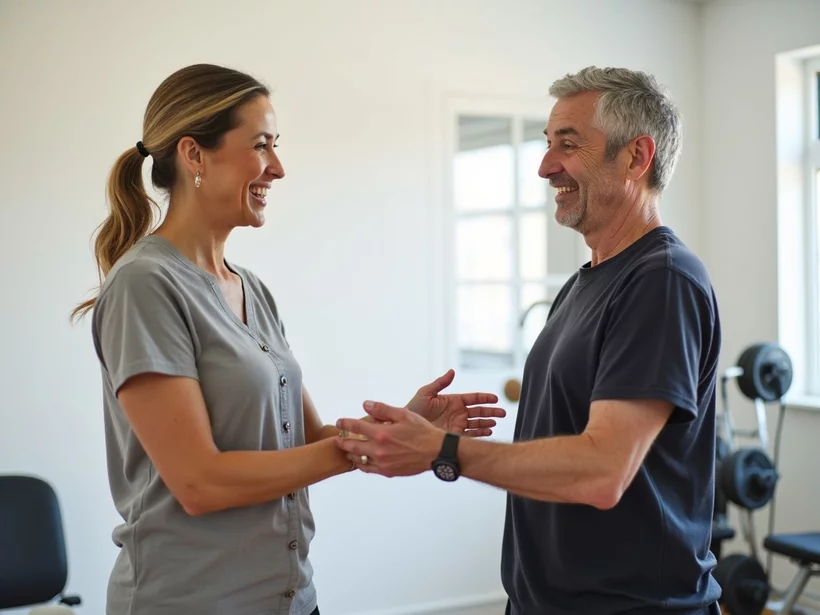
Trust is the cornerstone of successful relationships, especially in the realm of NDIS exercise physiology. Clients who feel secure and valued are more likely to engage in their therapeutic journeys, ultimately leading to better health outcomes. Are you ready to discover how building trust can transform your client relationships and enhance their experience?
What You Will Learn
- The crucial role of trust in fostering secure and effective relationships between clients and exercise physiologists.
- How trust influences compliance with exercise programs and improves health outcomes.
- Effective communication strategies, including empathetic dialogue and client feedback, to build and maintain trust.
- Steps to enhance client relationships through regular check-ins, personalized interactions, and celebrating successes.
- The importance of professional ethics, transparency, and consistency in building trustworthiness as a provider.
- Practical ways to engage with NDIS clients, fostering independence and growth through supportive partnerships.
Trust and Client Engagement in NDIS Exercise Physiology
Understanding how trust influences client engagement and health outcomes in exercise physiology highlights key components of effective therapy.
Trust Factors
- Fosters a sense of safety and security
- Encourages clients to share personal experiences
- Leads to better engagement and outcomes
Influence on Compliance and Outcomes
- Enhanced willingness to try new activities
- Increased motivation to adhere to routines
- Greater likelihood of seeking help when facing obstacles
Empowerment Through Trust
- Encourages self-advocacy
- Leads to active participation in programs
- Promotes better adherence to exercise plans
Trust in Achieving Health Goals
- Honesty about struggles and achievements
- Commitment to exercise routines
- Willingness to seek advice and support
Understanding the Importance of Trust in NDIS Exercise Physiology
In the realm of NDIS exercise physiology, trust is not just a nice-to-have; it’s a fundamental part of the client relationship. When clients feel secure and valued, they are more likely to engage actively in their therapy. At Health Moves, we understand that building trust is crucial for effective collaboration, which is why we prioritize creating a warm and welcoming environment. To gain deeper insights into how exercise physiology supports NDIS participants, consider reading our article on NDIS and Exercise Physiology Insights.
As I work with individuals and their families, I often see how trust can significantly impact the journey of NDIS participants. It’s about more than just a service; it’s about fostering a deep connection that encourages openness and honesty. When clients trust their exercise physiologist, they’re more comfortable sharing their goals, challenges, and aspirations.
The Role of Trust in Client Relationships
Trust lays the groundwork for meaningful relationships between clients and exercise physiologists. It allows for honest communication, which is essential for tailoring effective movement programs. At Health Moves, we strive to create an atmosphere where clients feel safe to express their concerns and preferences.
- Trust fosters a sense of safety and security.
- Building trust encourages clients to share personal experiences.
- Stronger relationships lead to better engagement and outcomes.
When clients believe that their physiologist genuinely cares, they are more likely to commit to their exercise plans. This commitment can often translate into improved health outcomes and a more enjoyable journey through their NDIS experience! For more information on how we support NDIS participants, explore our resources on Supporting NDIS Participants: Family Guidelines.
How Trust Influences Compliance and Outcomes
Compliance with exercise programs is closely tied to the level of trust established. When clients trust their exercise physiologists, they are more likely to follow through with the recommended activities. At Health Moves, we recognize that individualized support based on trust plays a key role in helping participants achieve their NDIS goals.
Here are a few ways trust positively influences compliance and outcomes:
- Enhanced willingness to try new activities and challenges.
- Increased motivation to adhere to exercise routines.
- Greater likelihood of seeking help when facing obstacles.
Ultimately, trust not only improves adherence to programs but also contributes to achieving meaningful health outcomes. It’s incredibly fulfilling to witness the progress our clients make when they feel supported and empowered!
Effective Communication Strategies for Building Trust
Effective communication is the lifeblood of building trust in the NDIS context. By employing empathetic dialogue and active listening skills, exercise physiologists can create a safe space for clients to share their thoughts and feelings. At Health Moves, we focus on ensuring that our communication is clear, compassionate, and responsive to our clients’ needs.
Another essential aspect of communication is inviting feedback. This not only helps in addressing any concerns but also reinforces the collaborative nature of the relationship. When clients see that their input is valued, it strengthens their trust and commitment to the process.
Empathetic Dialogue: Listening and Responding
Engaging in empathetic dialogue is about more than just hearing words; it’s about understanding the feelings behind them. This approach helps to build rapport and trust, allowing clients to feel seen and heard. At Health Moves, I make it a point to practice active listening during every interaction.
- Use open-ended questions to encourage sharing.
- Acknowledge emotions and validate experiences.
- Respond thoughtfully, demonstrating genuine interest.
When clients know that their experiences matter, it deepens the trust between us, paving the way for a successful partnership!
Establishing Feedback Loops for Continuous Improvement
Creating feedback loops is vital for continuous improvement in client relationships. By regularly checking in with clients about their experiences, we can adjust programs to better meet their needs. At Health Moves, we prioritize this process to ensure that our services are genuinely beneficial.
- Conduct regular check-ins through surveys or informal chats.
- Encourage clients to share their thoughts on program effectiveness.
- Implement changes based on constructive feedback.
This approach not only enhances the client experience but also reinforces the trust that has been built over time!
Communication Skills in NDIS Context
Effective communication skills are essential for fostering trust within the NDIS framework. Each conversation we have with clients shapes their perception of the support they receive. At Health Moves, we emphasize clarity and empathy in all our communications to ensure that clients feel informed and empowered.
Key communication skills to focus on include:
- Clear and concise explanations of exercise physiology concepts.
- Using language that resonates with the client’s understanding.
- Being patient and open to questions or concerns.
When we equip ourselves with strong communication skills, we enhance our ability to build trust, paving the way for positive and lasting client relationships! To learn more about how NDIS goals are achieved through movement, read about NDIS Goals Through Movement Programs.
Quick Summary
Here's a brief recap of the key points discussed so far:
- Trust is foundational in the relationship between clients and exercise physiologists, leading to better engagement and outcomes.
- Effective communication strategies, including empathetic dialogue and feedback loops, are essential for building trust.
- Empowerment through trust enhances client participation and adherence to exercise programs, significantly impacting health and wellbeing goals.
Summarizing the Benefits of Building Trust with NDIS Clients
Building trust with NDIS clients is pivotal for successful outcomes. When clients feel safe and valued, they are more likely to engage fully in their exercise physiology journeys. This trust not only facilitates meaningful relationships but also empowers clients to express their needs and challenges openly, setting the stage for tailored support.
As an Exercise Physiologist at Health Moves, I have seen firsthand how trust affects our practice. Clients who trust us are more inclined to follow through on their exercise plans, leading to better health outcomes. When they believe in the process, they become active participants in their wellness journey!
Empowerment through Trust in Exercise Physiology
Trust creates a foundation for empowerment, allowing clients to take charge of their health. Here are a few ways trust fosters empowerment:
- Encouragement of self-advocacy: Clients who trust their providers feel confident voicing their needs.
- Active participation: Trust leads to higher engagement levels in their tailored exercise programs.
- Better adherence: Clients who trust their exercise physiologists are more likely to stick to their prescribed plans.
At Health Moves, we strive to cultivate this sense of empowerment through personalized programs that resonate with each client's unique circumstances. Watching clients thrive is the ultimate reward!
The Role of Trust in Achieving Health and Wellbeing Goals
Trust plays a significant role in health and wellbeing goals. When clients trust their exercise physiologist, they are more likely to:
- Be honest about their struggles and achievements
- Commit to their exercise routines consistently
- Seek advice and support when needed
This honest communication paves the way for tailored interventions that truly meet their needs! By focusing on building trust, we at Health Moves can create effective pathways to achieving those meaningful goals.
Steps to Take Towards Enhanced Client Relationships
Enhancing relationships with NDIS clients requires intentional effort. Here are some steps that can help strengthen those connections:
- Regular check-ins: Schedule consistent meetings to discuss progress and challenges.
- Personalize interactions: Remember details about your clients' lives outside of exercise; this shows you genuinely care.
- Celebrate successes: Acknowledge milestones, no matter how small, to boost motivation and trust.
At Health Moves, we believe that investing time in these relationships pays off in the long run! Clients are more likely to view us as partners in their journey. For more on tailoring programs, explore Tailored Movement Programs for NDIS.
Encouraging Open Communication and Collaboration
Open communication is a key ingredient in building strong client relationships. Here are some practical ways to encourage it:
- Use open-ended questions during discussions to invite deeper dialogue.
- Create a safe space where clients feel comfortable sharing their concerns.
- Encourage feedback on their experiences with exercise programs.
By fostering a culture of collaboration, we're not just exercise physiologists; we're allies in the journey toward health!
Inviting Client Testimonials and Feedback
Client testimonials can be powerful tools for building trust and establishing credibility. Here are some strategies to gather them:
- Ask for feedback after each session or program phase.
- Encourage clients to share their success stories on our website or social media.
- Host events where clients can share their experiences with others.
These testimonials not only showcase the impact of our work at Health Moves but also inspire others in the community to engage with our services!
Building Trustworthiness through Professional Ethics
Maintaining a strong ethical foundation is critical for trust-building. Here are some essential ethical practices:
- Transparency: Always be clear about the goals and methods used in exercise programs.
- Confidentiality: Respect client privacy and ensure all information is handled securely.
- Consistency: Follow through on promises made to clients and provide reliable support.
By upholding these ethical standards, we reinforce our commitment to the welfare of our clients at Health Moves, fostering an environment of trust and reliability.
Engaging with NDIS Clients: A Call to Action for Providers
As providers, it is our responsibility to engage actively with NDIS clients. Here’s how we can take action:
- Partner with clients: Collaborate on goal-setting and program design to ensure their needs are met.
- Contact NDIS coordinators: Work closely with them to provide personalized support tailored to each client.
- Network with community services: Establish relationships with local organizations to enhance support options.
By taking these actions, we can cultivate environments that foster independence and growth. At Health Moves, we’re committed to being part of this vital movement!
Partnering with Clients to Foster Independence and Growth
Fostering independence in clients is critical for their overall wellbeing. As partners in their journey, we can:
- Encourage self-management techniques
- Provide resources that empower clients to make informed decisions
- Support their journey toward self-sufficiency through tailored programs
When we prioritize client independence, we not only help them thrive but also enrich our own practice at Health Moves.
Contacting an NDIS Coordinator for Tailored Support
Connecting with an NDIS coordinator can enhance the support clients receive. Here’s how to make the most of that connection:
- Prepare a list of goals and needs for discussion.
- Be open to suggestions and guidance offered by the coordinator.
- Follow up on any referrals or resources provided after the meeting.
Effective collaboration with NDIS coordinators is essential for creating comprehensive support plans that align with our clients' aspirations!
Networking with Community Support Services
Collaborating with other community support services can greatly enhance client experiences. Here are some steps to consider:
- Identify local organizations that align with our mission at Health Moves.
- Attend community events to build relationships with other service providers.
- Share resources and knowledge to broaden the support network for clients.
Building these partnerships not only strengthens our service offerings but also enriches the community as a whole! For more information on how Exercise Physiologists support NDIS participants, check out our guide on Exercise Physiologists in NDIS Explained.
Frequently Asked Questions (FAQs)
- Q: Why is trust important in NDIS exercise physiology?
- A: Trust is fundamental because it fosters a sense of safety and security, encouraging clients to engage actively in their therapy, share personal experiences, and adhere to their exercise programs, ultimately leading to better health outcomes.
- Q: How does trust influence client compliance with exercise programs?
- A: When clients trust their exercise physiologist, they are more willing to try new activities, are more motivated to stick to routines, and are more likely to seek help when they face obstacles, all of which improve compliance and outcomes.
- Q: What communication strategies help build trust with NDIS clients?
- A: Effective communication involves empathetic dialogue (active listening, open-ended questions, validating emotions) and establishing feedback loops (regular check-ins, encouraging input, implementing changes based on feedback). Clarity and compassion are also key.
- Q: How can exercise physiologists empower NDIS clients through trust?
- A: Trust empowers clients by encouraging self-advocacy, leading to active participation in tailored exercise programs, and promoting better adherence to prescribed plans. This allows clients to take charge of their health journey.
- Q: What ethical practices are essential for building trustworthiness as a provider?
- A: Key ethical practices include transparency about goals and methods, maintaining strict confidentiality of client information, and consistency in following through on promises and providing reliable support.
Recap of Key Points
Here is a quick recap of the important points discussed in the article:
- Trust is essential for fostering meaningful relationships between clients and exercise physiologists, leading to better engagement and outcomes.
- Effective communication, including empathetic dialogue and active listening, is crucial in building trust and encouraging client participation.
- Regular feedback loops enhance the client experience and allow for tailored support based on individual needs.
- Empowerment through trust encourages clients to advocate for themselves and adhere to their exercise programs.
- Maintaining professional ethics, such as transparency and confidentiality, reinforces the trustworthiness of exercise physiologists.
- Collaboration with NDIS coordinators and community services enhances client support and promotes independence.