Movement Programs for NDIS Clients

Engaging with the NDIS can feel like navigating a complex maze, but understanding its goals can lead to transformative outcomes for individuals with disabilities. The right movement program can enhance not just physical well-being, but mental health and social engagement as well.
What You Will Learn
- The NDIS provides tailored funding for movement programs that enhance physical health and independence.
- Personalized assessments are essential for developing effective movement strategies that cater to individual needs and goals.
- Engaging caregivers in the process significantly boosts motivation and adherence to exercise routines.
- Effective communication between caregivers and exercise physiologists is crucial for achieving desired outcomes in movement programs.
- Ongoing education and resources for families can empower them to make informed decisions regarding their loved ones' movement programs.
- Understanding NDIS funding options is key to maximizing available support for movement and exercise services.
Key Objectives of NDIS Funding for Movement and Exercise
The NDIS aims to achieve important goals for movement and exercise programs. Below are the key objectives illustrated for better understanding.
Enhancing Physical Health and Fitness
Improving mobility through structured physical activities increases overall health and fitness.
Promoting Social Interaction
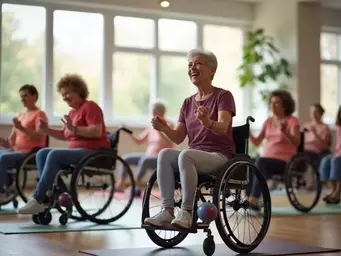
Encouraging community involvement through group activities strengthens social connections.
Supporting Independence
Building skills through tailored movement programs enhances daily living capabilities.
Boosting Mental Well-Being
Engaging in physical activities supports mental health and emotional well-being.
Understanding the NDIS and Its Goals for Movement Programs
The National Disability Insurance Scheme (NDIS) is a landmark program in Australia aimed at providing support to individuals with disabilities. It was designed to empower participants by offering funding that caters to their unique needs. You may be wondering, how does this impact movement and exercise? Well, the NDIS recognizes the importance of physical activity in enhancing the well-being of its participants, making tailored movement programs a crucial component of its support services.
With the NDIS, participants can access funding for various services that help them lead more active lives. This includes exercise physiology, which focuses on creating personalized movement programs. At Health Moves, we believe that understanding these elements is vital for both participants and their families. Through tailored programs, we aim to bridge the gap between available resources and the needs of individuals living with disabilities. Learn more about NDIS and Exercise Physiology insights.
Overview of the National Disability Insurance Scheme (NDIS)
The NDIS, implemented in 2013, aims to provide support for Australians with permanent and significant disabilities. It offers funding for a range of services, including therapy, equipment, and support for daily living. This scheme operates on the principle that everyone deserves access to the support they need to thrive, regardless of their challenges.
Participants in the NDIS can collaborate with health professionals to develop customized plans. This ensures that they receive the most appropriate support tailored to their personal goals and circumstances. For families and caregivers, understanding the NDIS can feel overwhelming, but it’s all about creating a pathway to a better quality of life!
- Provides individualized support plans
- Focuses on enhancing independence and quality of life
- Covers funding for various services, including movement programs
Key Objectives of NDIS Funding for Movement and Exercise
The NDIS has several important goals when it comes to funding movement and exercise programs. Firstly, it aims to improve participants' mobility and overall health through structured physical activities. This not only enhances physical fitness but also boosts mental well-being. Secondly, the NDIS encourages social inclusion, helping participants connect with their communities through group activities.
Another significant objective is to foster independence. By participating in tailored movement programs, individuals can gain the skills they need to perform daily tasks with greater ease. At Health Moves, we prioritize these goals and strive to create programs that align with each participant's aspirations. Find out more about NDIS goals through movement programs.
- Enhancing physical health and fitness
- Promoting social interaction and community involvement
- Supporting independence and daily living skills
Personalized Assessment and Goal Setting for NDIS Clients
Understanding how to create effective movement programs starts with personalized assessments and goal setting. Every person's journey is unique, and the NDIS emphasizes the importance of tailored approaches. By conducting thorough assessments, we at Health Moves can understand the strengths and challenges faced by our clients, paving the way for successful outcomes.
Once we gather insights about each client’s abilities and needs, we work together to set realistic and achievable goals. These goals guide the development of movement programs that foster growth and independence. By aligning our services with NDIS objectives, we ensure a supportive environment where participants can thrive.
Quick Summary
Here's a brief recap of the key points discussed so far:
- NDIS empowers individuals with disabilities through tailored funding for movement programs.
- Key goals include improving mobility, enhancing social inclusion, and promoting independence.
- Engaging caregivers and families is crucial for the success of movement programs.
Engaging Caregivers and Family in Movement Programs
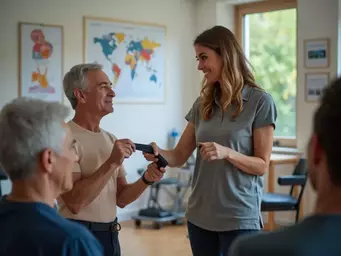
At Health Moves, we know that caregivers and family members play a crucial role in the success of movement programs for NDIS clients. Their involvement not only enhances motivation but also ensures that the programs are relevant and effective. By engaging caregivers, we can create a supportive environment that empowers clients to achieve their goals through tailored exercise plans.
Educating caregivers about the NDIS process and how movement programs work is essential. When caregivers understand the objectives and benefits of the programs, they can better support the clients in their journey. This education can lead to a more cohesive approach to care that encourages active participation from both caregivers and clients. Just imagine the difference it can make when everyone is on the same page! For more insights, explore building movement programs for disabilities.
Importance of Caregiver Education and Involvement
Caregivers are often the first line of support in implementing movement programs. They need to be equipped with the right knowledge and tools to effectively help their loved ones. By fostering education, we encourage caregivers to:
- Understand the NDIS framework and what it entails.
- Learn about the benefits of tailored movement programs.
- Engage in goal-setting discussions with exercise physiologists.
- Monitor progress and provide feedback on the programs.
When caregivers are educated, they become empowered advocates for their loved ones. This involvement can lead to increased adherence to exercise routines and improved outcomes overall.
Strategies for Effective Communication with Caregivers
Effective communication is vital for collaboration between caregivers and exercise physiologists. Establishing clear, open lines of communication ensures that everyone is informed and aligned. Here are some strategies that can enhance communication:
- Schedule regular check-ins to discuss progress and challenges.
- Encourage caregivers to share their observations and insights.
- Provide clear, simple resources that caregivers can refer to at home.
- Utilize technology, like apps or online portals, for easy information sharing.
By using these communication strategies, we can create a supportive network that benefits both the clients and their caregivers.
Caregiver Training and Family Involvement
Training programs for caregivers can be an excellent way to enhance their skills and confidence in supporting clients. At Health Moves, we believe in the power of family involvement—when families participate in training, they can better understand the nuances of the movement programs. Here are key components of effective caregiver training:
- Conduct workshops that focus on practical techniques for supporting exercises.
- Provide resources that explain the importance of movement for various disabilities.
- Encourage family members to participate in exercise sessions alongside clients.
- Foster a community of support where families can share experiences and tips.
By investing in caregiver training and encouraging family involvement, we can create a more holistic approach to movement programs that extends beyond just the sessions themselves. For a deeper dive into how exercise physiologists can support NDIS participants, check out Exercise Physiologists in NDIS: Explained.
Addressing Common Questions and Concerns
As we engage caregivers and families, it's natural for questions to arise. Many families want to ensure that they are making informed decisions regarding movement programs. At Health Moves, we strive to provide clarity and support for these concerns, helping families navigate the NDIS landscape effectively.
Understanding the common questions can ease the uncertainty that often surrounds the process. Here are some of the frequently asked questions that we encounter:
Frequently Asked Questions (FAQs)
- What is the NDIS and how does it support movement programs?
- The NDIS (National Disability Insurance Scheme) is an Australian program that provides funding for individuals with permanent and significant disabilities. It supports movement programs by funding services like exercise physiology, aiming to improve physical health, promote social inclusion, and foster independence.
- Why are personalized assessments important for NDIS movement programs?
- Personalized assessments are crucial because every individual's needs and abilities are unique. They help identify specific strengths and challenges, allowing for the creation of tailored movement programs that are most effective for achieving individual goals.
- What role do caregivers play in NDIS movement programs?
- Caregivers play a vital role by providing support, motivation, and ensuring adherence to exercise routines. Their involvement, education, and effective communication with health professionals are key to the success and sustainability of the programs.
- How can families and caregivers stay informed about NDIS funding and resources?
- Families and caregivers can stay informed through regular communication with exercise physiologists, accessing fact sheets and video tutorials provided by Health Moves, attending workshops, and engaging with community forums. Understanding NDIS funding options is also essential for maximizing support.
- What are the key objectives of NDIS funding for movement and exercise?
- The key objectives include enhancing physical health and fitness, promoting social interaction and community involvement, boosting mental well-being, and supporting independence in daily living skills.
FAQs about Designing Movement Programs for NDIS Clients
Families often ask about the process of designing movement programs tailored to their loved ones. Here are a few common inquiries:
- What should we expect from a tailored movement program?
- How often should we engage in movement activities?
- What types of exercises are most beneficial for my loved one's specific needs?
- How can we measure progress and success in the program?
By addressing these questions, we empower families to feel confident about their involvement in the movement programs.
Providing Resources for Ongoing Support and Education
Continued education is key for families and caregivers. We offer a range of resources designed to provide ongoing support, including:
- Fact sheets on exercise benefits for different disabilities.
- Video tutorials demonstrating exercises and techniques.
- Links to workshops and training sessions.
- Access to community forums where families can connect and support each other.
These resources help families stay informed and engaged throughout the duration of the movement programs.
Understanding Funding Options and Disability Services
Navigating funding options can be overwhelming, but it is vital for families to know what is available to them through the NDIS. Here are some key points about funding options:
- Understand what types of services can be funded under the NDIS.
- Learn about how exercise physiologists can be included in your plan.
- Explore how to allocate funds for specific movement programs.
- Know the process for requesting additional support or changes to your plan.
By providing clear information about funding, we can help families make the most of their NDIS supports.
Conclusion: Empowering NDIS Clients Through Movement Programs
In summary, engaging caregivers and families in the process of creating movement programs greatly enhances the experience for NDIS clients. By working together, we can empower individuals with disabilities to thrive through tailored exercise plans. At Health Moves, we are dedicated to making this a priority in our approach to care.
As we encourage next steps, I invite both clients and providers to take action in building strong partnerships that foster success in movement programs. Let’s work together to create a community that champions health, movement, and well-being!
Call to Action for NDIS Professionals and Clients
Are you ready to connect with accredited professionals for program design? At Health Moves, we’re here to help you every step of the way. Whether you’re seeking more information or need guidance on NDIS resources, reach out to us for ongoing learning and support!
Together, we can transform the lives of NDIS participants through effective movement programs that promote independence, health, and happiness! Discover more about exercise programs for NDIS participants.
Recap of Key Points
Here is a quick recap of the important points discussed in the article:
- The NDIS provides tailored support to individuals with disabilities, focusing on enhancing their quality of life through personalized movement programs.
- Key objectives of NDIS funding for movement programs include improving physical health, promoting social inclusion, and fostering independence.
- Personalized assessments and goal setting are essential for developing effective movement programs that meet individual needs.
- Engaging caregivers and family members helps create a supportive environment, enhancing motivation and program effectiveness.
- Effective communication strategies between caregivers and health professionals are crucial for successful program implementation.
- Providing ongoing resources and education for families can empower them in their involvement with movement programs and NDIS processes.
- Understanding funding options and available services under the NDIS is vital for making informed decisions regarding movement programs.