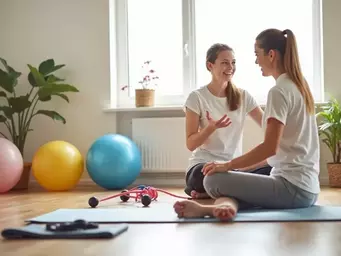
Movement Strategies for Family Wellness

What if a simple shift in your family's routine could lead to improved health, stronger bonds, and a happier home? Engaging in movement together as a family not only promotes physical well-being but also cultivates lasting memories. Discover how effective movement programs can transform your family's lifestyle!
What You Will Learn
- Movement programs are essential for enhancing physical health and fostering stronger family connections.
- Tailored activities can accommodate various ages and abilities, ensuring everyone can participate and enjoy.
- Regular physical activity improves cognitive development in children, including better focus and problem-solving skills.
- Incorporating wellness education into movement can empower families to make healthier lifestyle choices.
- Active play strengthens family bonds and creates cherished memories while promoting overall health.
- Setting achievable fitness goals as a family keeps everyone motivated and engaged in healthy practices.
Benefits of Movement Programs for Families
Exploring how movement programs enhance physical and mental well-being for families - the core benefits are outlined below.
Improved School Readiness
Active children show enhanced focus and readiness to learn, paving the way for academic success.
Cognitive Development
Movement stimulates brain function, leading to improved memory and problem-solving skills.
Social Skills
Participating in physical activities teaches teamwork, communication, and conflict resolution.
Enhanced Family Bonding
Engaging in movement together fosters quality time and strengthens family relationships.
Understanding Effective Movement Programs for Families
Creating effective movement programs for families is essential for promoting health and well-being. At Health Moves, we understand that these programs can significantly impact families, helping them engage in healthy activities that foster not only physical fitness but also stronger family bonds. But what exactly does it mean to have a movement program that works for everyone? Let’s dive into the details!
Defining Movement Programs and Their Importance
Movement programs are structured activities designed to encourage physical activity among participants. They can vary in format, ranging from group exercises to family outings that include physical challenges. These programs are important because they help build strong physical abilities while also enhancing social skills, boosting confidence, and improving overall mental health. For more detailed insights, you can explore our guide on NDIS and Exercise Physiology Insights.
Moreover, tailored movement programs can address specific needs within a family. For instance, families with young children can benefit from programs that incorporate games and fun activities, making exercise enjoyable. This focus on enjoyment is crucial as it fosters a long-term commitment to an active lifestyle.
- Encourages teamwork and collaboration.
- Builds confidence in children and adults alike.
- Improves physical health and reduces risks of chronic diseases.
- Enhances social interactions and family connections.
Exploring Family-Centered Physical Activity
Family-centered physical activity emphasizes the importance of involving all family members in movement programs. When families participate together, they create shared experiences that can strengthen their relationships. For example, a family hiking trip not only gets everyone moving but also allows for quality time together, fostering deeper connections.
It’s essential to tailor activities to accommodate different ages and abilities. For instance, while younger kids may enjoy running and playing games, older family members might prefer walking or cycling. By considering everyone's preferences, we can create inclusive programs that cater to every family member's interests. Learn more about inclusive exercise programs for all.
- Include activities suitable for all ages.
- Choose locations that everyone can access comfortably.
- Mix fun with fitness to keep everyone engaged.
Family Wellness Through Movement Programs
At Health Moves, we emphasize that wellness is a holistic concept, and movement plays a vital role in achieving it. Engaging in regular physical activity can lead to improved mood, better sleep, and enhanced overall health. Families that exercise together often experience lower levels of stress and higher levels of happiness!
Furthermore, incorporating wellness education into movement programs can empower families to make healthier choices outside of scheduled activities. For example, discussing nutrition during exercise sessions encourages families to think about how food choices impact their energy levels and overall wellness. You can find more information on exercise programs for NDIS participants who also benefit from holistic approaches.
- Promote healthy eating alongside physical activity.
- Share resources for maintaining wellness as a family.
- Encourage regular family check-ins to discuss health goals.
In conclusion, effective movement programs are essential for supporting families' physical and mental well-being. By focusing on family-centered activities and creating inclusive environments, we can help families at Health Moves thrive together! Let's continue exploring how we can implement these vital strategies in our communities.
Quick Summary
Here's a brief recap of the key points discussed so far:
- Effective movement programs foster physical fitness and strengthen family bonds.
- Family-centered activities are essential for inclusivity and engagement.
- Regular physical activity contributes to improved mental health and overall wellness.
- Creating shared experiences through movement enhances emotional connections within families.
Frequently Asked Questions (FAQs)
Enhancing Health and Wellness Through Movement
Moving together as a family is more than just fun; it’s about building a foundation for health and wellness. As we explore how physical activity influences our lives, I want to emphasize how vital it is for families to engage in movement regularly. When we prioritize physical activity, we pave the way for healthier lifestyles and stronger family bonds. Let’s dive into the connections between physical activity and developmental outcomes!
Connections Between Physical Activity and Developmental Outcomes
Physical activity plays a crucial role in shaping the development of our children. Engaging in regular movement can lead to a myriad of positive outcomes, especially when it comes to their overall growth. Here are some key benefits of incorporating movement into your family’s routine:
- Improved School Readiness: Active children are often better prepared for school, showing enhanced focus and readiness to learn.
- Cognitive Development: Movement stimulates brain function, leading to improved memory and problem-solving skills.
- Social Skills: Participating in physical activities teaches teamwork, communication, and conflict resolution.
Impact on School Readiness and Cognitive Development
When children engage in physical activity, they are more likely to develop important cognitive skills. For instance, activities that require following directions or working in teams can enhance their ability to focus and learn in a classroom setting. Moreover, by fostering an environment where movement is encouraged, families can help their children become more adaptable and creative thinkers.
Supporting Gross Motor Skill Development
Gross motor skills are essential for everyday activities, from running to jumping to playing sports. Families can support this development by incorporating a variety of movement programs into their routines. For instance, activities such as:
- Playing tag in the park
- Riding bikes together
- Participating in dance classes
These enjoyable exercises not only promote physical health but also nurture skills that will benefit children as they grow.
Family Fitness and Exercise Routines
Creating a family fitness routine can be an exciting way for everyone to get involved! At Health Moves, we believe in the power of tailored exercise programs designed for families. Not only do these routines help in achieving fitness goals, but they also strengthen family bonds through shared experiences. Here are some ideas to inspire your family fitness journey:
- Weekly Family Walks: Explore your local area together, encouraging conversation and connection.
- Home Workouts: Try online classes that accommodate all family members, from kids to adults.
- Dance Parties: Turn on some music and dance it out in your living room!
Fostering Mental Wellness for Families
As much as physical health is important, we must not overlook the mental wellness aspect. Exercise serves as a powerful tool in combating stress and reducing sedentary behavior. By integrating movement into our daily lives, we can boost our mental health and overall happiness.
The Role of Movement in Reducing Sedentary Behavior
With technology taking up a lot of our time, it’s easy to fall into sedentary habits. However, incorporating regular movement into our schedules helps break this cycle. Simple changes, like:
- Setting a timer to take breaks from sitting
- Choosing active outings instead of screen time
- Encouraging family challenges that involve movement
These small steps can lead to significant changes in lifestyle and overall health. Discover how NDIS goals can be achieved through movement programs.
Movement Programs as a Tool for Stress Reduction
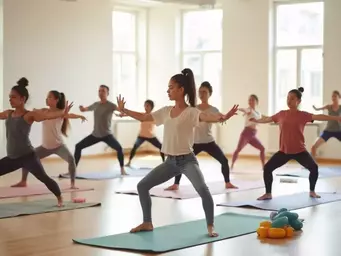
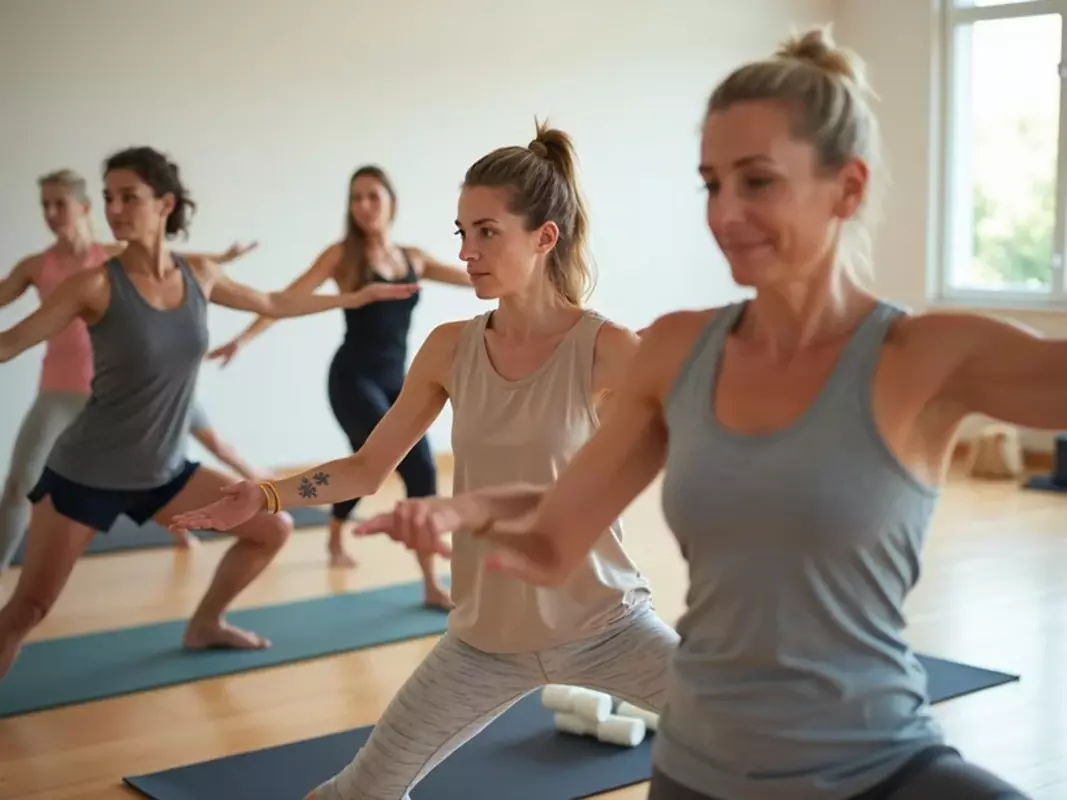
Movement is a natural stress reliever! Whether it’s through yoga, a brisk walk, or playing sports, engaging in physical activities triggers endorphins, which elevate our mood. I encourage families to create a routine where they dedicate time to unwind through movement. This could involve:
- Mindful yoga sessions
- Group sports activities
- Outdoor hikes or nature walks
When we make movement a priority, we nurture not only our bodies but also our minds. For more information, read about supporting NDIS participants with family guidelines.
Active Play and Family Bonding Activities
Finally, let’s not forget about the joy of active play! Engaging in playful activities together can create cherished memories while promoting physical health. Think of activities like:
- Playing catch in the yard
- Going on scavenger hunts
- Joining local sports leagues as a family
These experiences not only foster family bonding but also enhance emotional well-being.
Call to Action: Start Your Family Movement Journey
Now that we’ve explored the importance of movement for health and wellness, it’s time to take action! I encourage you to engage with local programs and resources that can support your family’s journey. Whether it’s finding a community class or simply gathering your family for an active day out, every step counts!
Engaging with Local Programs and Resources
Look into community centers or organizations that offer movement programs tailored for families. This is a great way to meet others who share similar goals and to learn new activities together. Don't hesitate to reach out to Health Moves for guidance on starting your family’s movement journey!
Sharing Your Experiences and Success Stories
Sharing your journey can inspire others! Create a family blog or social media account to document your adventures. By connecting with others, you can exchange tips, ideas, and motivation to keep moving forward.
Creating Family Fitness Goals and Plans
Set achievable fitness goals together as a family. Whether it’s completing a fun run, participating in a local sports event, or simply agreeing to be more active every week, having a plan can keep everyone motivated. At Health Moves, we’re here to help you create a tailored movement plan that fits your family’s needs and aspirations! Explore NDIS fitness activities you can try for more ideas.
Recap of Key Points
Here is a quick recap of the important points discussed in the article:
- Movement programs are essential for promoting family health, enhancing physical fitness, and building stronger family bonds.
- Tailored activities that accommodate different ages and abilities encourage participation from all family members.
- Incorporating wellness education into movement programs empowers families to make healthier lifestyle choices.
- Regular physical activity improves school readiness, cognitive development, and social skills in children.
- Creating a family fitness routine fosters engagement and strengthens family relationships while achieving fitness goals.
- Active play and shared experiences promote emotional well-being and create cherished family memories.
- Engaging with local programs and setting fitness goals can enhance your family’s movement journey.