Exercise Strategies for Disabled Kids
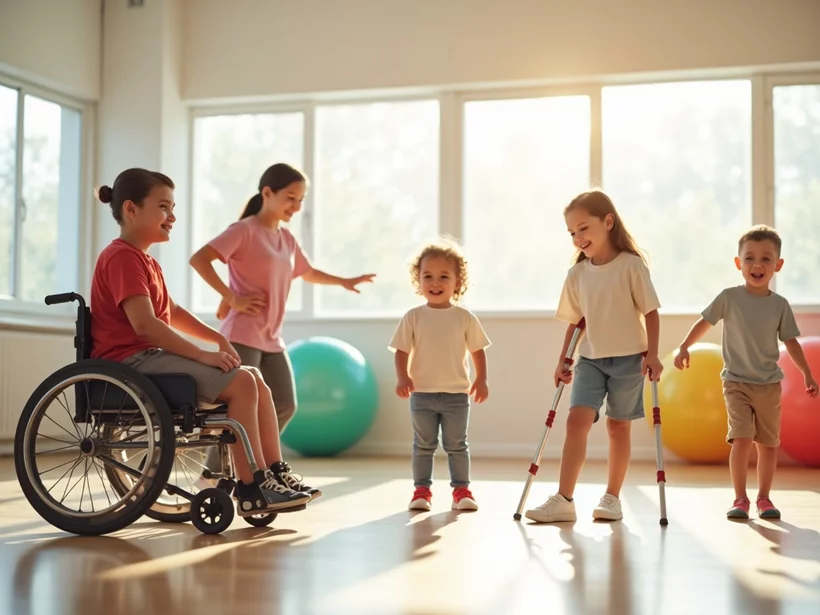
In a world where physical activity can transform lives, understanding how to access tailored exercise interventions for children with disabilities is essential. The National Disability Insurance Scheme (NDIS) plays a pivotal role in this, providing funding and resources that empower families to support their children’s health and well-being.
What You Will Learn
- NDIS offers financial support for personalized exercise programs designed by accredited Exercise Physiologists to meet the unique needs of children with disabilities.
- Exercise interventions provide physical, emotional, and social benefits, including improved strength, self-esteem, and social skills.
- Specific exercise strategies are tailored for children with various disabilities, enhancing their motor skills, social interactions, and overall well-being.
- Regular assessments and goal-setting are critical for measuring progress in children's exercise interventions and fostering independence.
- Engaging families in exercise routines significantly improves the effectiveness of interventions, promoting a supportive environment for children.
- Utilizing community resources such as adaptive sports teams and recreational programs can enhance participation and enjoyment in physical activities.
Benefits of Exercise Interventions for Children with Disabilities
Exercise interventions provide numerous advantages across physical, emotional, and social domains for children with disabilities. This is crucial for their holistic development, and understanding these benefits can help families advocate for the best support for their children, including how exercise physiologists in NDIS can help.
Physical Benefits
Improved muscle strength, flexibility, and coordination.
Emotional Benefits
Enhanced self-esteem, reduced anxiety, and better mood regulation.
Social Benefits
Opportunities for making friends, teamwork, and communication skills.
Teamwork & Collaboration
Learning valuable lessons about working together and building relationships.
Understanding Exercise Interventions for Children with Disabilities Under NDIS
Understanding how the National Disability Insurance Scheme (NDIS) supports exercise interventions can be quite enlightening for families seeking the best for their children. The NDIS provides funding that plays a crucial role in ensuring that children with disabilities can access exercise programs tailored to their specific needs. This funding not only covers the costs associated with these programs but also emphasizes the importance of physical activity in enhancing the quality of life for children.
As someone who has dedicated my career to enhancing the lives of individuals with disabilities through tailored movement programs at Health Moves, I can attest to the significance of this support. It allows families to engage in exercise physically and promotes emotional well-being and social inclusion. With the right resources, children can thrive and build confidence through movement! For more insights into how the NDIS supports such initiatives, explore NDIS and Exercise Physiology Insights.
Defining the Role of NDIS in Supporting Children's Exercise Programs
The NDIS's role in supporting children's exercise programs is multifaceted. First, it provides financial assistance for programs developed by accredited Exercise Physiologists (AEPs), who design interventions specifically catered to each child's unique requirements. Funding through NDIS allows families to access services that they might otherwise find challenging due to cost barriers.
Moreover, NDIS funding encourages inclusivity and participation in community activities. This is not just about physical fitness; it’s about building social connections and enhancing overall well-being. Families can look forward to programs that promote physical activity while also fostering friendships and teamwork among children.
- Financial support for tailored exercise programs
- Access to accredited Exercise Physiologists
- Encouragement of social interaction and community participation
Benefits of Exercise Interventions for Disabled Children
Exercise interventions offer a wealth of benefits for children with disabilities. These benefits can be broken down into three key areas: physical, emotional, and social. Let's explore these!
- Physical Benefits: Improved muscle strength, flexibility, and coordination.
- Emotional Benefits: Enhanced self-esteem, reduced anxiety, and better mood regulation.
- Social Benefits: Opportunities for making friends, teamwork, and communication skills.
Children with disabilities often face unique challenges in physical activities. However, targeted exercise programs can help bridge these gaps and foster a sense of accomplishment. For instance, think about how participating in a team sport can teach valuable lessons about collaboration and resilience! At Health Moves, we emphasize these benefits in our tailored movement programs to ensure children not only engage in physical activity but also enjoy the process.
Types of Exercise Interventions Funded by NDIS
The NDIS funds various types of exercise interventions designed to address the specific needs of children with different disabilities. By understanding the options available, families can make informed choices about the best paths for their children.
Condition-Specific Exercise Programs for Autism Spectrum Disorder (ASD)
Exercise programs for children with Autism Spectrum Disorder (ASD) focus on strategies that promote not just physical health but also social skills and communication. Activities may include structured group games, swimming lessons, or individual sports designed to enhance focus and coordination. These tailored strategies often lead to improved engagement and participation!
For instance, a child with ASD might participate in:
- Swimming sessions to improve motor coordination
- Team sports that help build social interaction
- Individual activities that promote self-regulation and focus
The expected outcomes from these programs can be transformative, leading to greater independence and social integration!
Exercise Interventions for Cerebral Palsy
Children with Cerebral Palsy benefit from exercise programs that focus on enhancing motor skills and promoting functional independence. These tailored interventions often include activities that improve balance, strength, and coordination, which are essential for daily living tasks.
Examples of effective strategies might include:
- Therapeutic horseback riding to encourage core strength
- Adaptive sports programs that foster physical fitness
- Structured play that targets gross motor skills
As a result, children may experience improved mobility, confidence, and overall well-being! To learn more about how specific exercise strategies can be implemented, check out resources on building movement programs for disabilities.
Exercise Interventions for Children with Down Syndrome and Developmental Coordination Disorder
Specific exercise strategies for children diagnosed with Down Syndrome or Developmental Coordination Disorder aim to enhance motor skills and facilitate social interactions. Using engaging and playful methods makes participation enjoyable and effective.
Some strategies may include:
- Group activities that encourage peer interactions
- Fun obstacle courses to develop gross motor skills
- Dance classes that promote coordination and rhythm
By focusing on activities that spark joy, we can help children build essential skills while enjoying the process!
Physical Activities for Children with Other Disabilities
For children with various disabilities—such as neuromuscular disorders or intellectual disabilities—exercise interventions can be tailored to meet their unique needs. Engaging in physical activities not only supports physical health but also provides avenues for personal growth and social connection.
Some options could include:
- Adaptive sports programs to enhance fitness levels
- Yoga classes to improve flexibility and relaxation
- Family-inclusive activities to strengthen bonds and support
These diverse options ensure that every child finds a way to participate actively in their physical well-being, enhancing their quality of life in the process!
Quick Summary
Here's a brief recap of the key points discussed so far:
- The NDIS provides crucial funding for exercise interventions, allowing children with disabilities to access tailored programs.
- Exercise interventions offer significant physical, emotional, and social benefits, helping children build strength, confidence, and connections.
- Various types of exercise programs are available, each designed to meet the specific needs of children with different disabilities.
Frequently Asked Questions (FAQs)
- Q: What is the NDIS and how does it support children with disabilities?
- A: The National Disability Insurance Scheme (NDIS) provides funding and resources for Australians with permanent and significant disabilities. For children, it specifically supports access to exercise programs tailored to their unique needs, covering costs and emphasizing physical activity for improved quality of life.
- Q: What benefits do exercise interventions offer for children with disabilities?
- A: Exercise interventions offer numerous benefits across physical (improved strength, flexibility, coordination), emotional (enhanced self-esteem, reduced anxiety, better mood), and social domains (opportunities for making friends, teamwork, communication skills).
- Q: How do accredited Exercise Physiologists (AEPs) contribute to NDIS-funded programs?
- A: AEPs are crucial for NDIS-funded programs as they design interventions specifically tailored to each child's unique requirements. They help create personalized exercise plans that address physical challenges and promote overall well-being.
- Q: Are there specific exercise programs for children with conditions like Autism Spectrum Disorder (ASD) or Cerebral Palsy?
- A: Yes, the NDIS funds condition-specific exercise programs. For ASD, programs focus on physical health, social skills, and communication. For Cerebral Palsy, interventions enhance motor skills, balance, strength, and functional independence.
- Q: How can families engage in their child's exercise programs?
- A: Family engagement is highly encouraged. Strategies include family workouts, setting collective fitness goals, and celebrating achievements. Providing resources like checklists, NDIS information, and community networks also empowers parents.
Evaluating the Long-Term Impact of Exercise Interventions
Measuring Progress and Outcomes
When working with children who have disabilities, it’s essential to track their progress effectively. At Health Moves, we often focus on several key areas to measure improvements over time, ensuring that our exercise interventions are truly making a difference. By regularly evaluating motor skills, social skills, and emotional well-being, we can provide families with valuable insights into their child's development.
To create a comprehensive framework for tracking outcomes, consider using the following methods:
- Regular assessments: Schedule assessments every few months to gauge improvements in physical capabilities.
- Behavioral checklists: Utilize checklists to observe changes in social interactions and emotional responses during activities.
- Goal-setting: Collaborate with the child and family to set measurable goals, making it easier to see progress.
For example, if a child has a goal to improve balance, tracking their ability to stand on one foot for an extended period can serve as a clear indicator of progress. It’s this personalized approach that not only helps in measuring outcomes but also enhances motivation!
Transitioning from NDIS Services to Independent Activity
As children progress through their exercise interventions, transitioning to independent physical activity is crucial. At Health Moves, we believe that fostering lifelong habits of physical activity starts early. Here are some strategies to help make this transition smoother:
- Encourage routine: Help your child establish a regular exercise routine that they can continue on their own.
- Explore new activities: Introduce various physical activities that align with their interests to keep them engaged and active.
- Set achievable goals: Work with your child to set personal goals that encourage independence.
For instance, if a child loves swimming, encouraging them to join a local swim team can help them maintain their fitness while fostering new social connections. Just remember, it's all about building confidence and enjoyment in movement!
Comparing Exercise Interventions to Other Health Services
Exercise Physiology vs. Occupational Therapy and Physiotherapy
Understanding how exercise interventions differ from other health services is vital for families. While both exercise physiology and therapies like occupational and physiotherapy serve important roles, they have unique strengths. Here’s a quick comparison:
- Exercise Physiology: Focuses on tailored movement programs that enhance physical health and functional independence.
- Occupational Therapy: Aims at helping children participate in daily activities by improving their skills.
- Physiotherapy: Focuses on rehabilitation, primarily addressing physical impairments and pain management.
Each service plays a crucial role in the overall well-being of children with disabilities, but exercise physiology, like what we provide at Health Moves, can significantly enhance physical capabilities and foster a love for movement! For a more detailed look at the benefits, explore the exercise benefits for NDIS participants.
Cost Analysis of NDIS-Funded Exercise Programs
Families often wonder about the funding allocations for NDIS-funded exercise programs. Understanding the cost-benefit aspect is essential for making informed decisions. Here’s a quick overview of what to consider:
- Funding allocations: NDIS funding can cover various exercise programs, depending on individual needs.
- Cost-effectiveness: Assess how exercise interventions can lead to long-term health benefits and reduced reliance on other health services.
- Documentation: Maintain thorough records of expenses and progress to justify ongoing funding requests.
By evaluating these aspects, families can better navigate the NDIS landscape and ensure they’re maximizing available support for their children’s exercise needs. We at Health Moves are here to help you every step of the way!
Engaging Families in Exercise Programs
Strategies for Family Participation and Support
Engaging families in exercise routines can significantly enhance the effectiveness of interventions. At Health Moves, we encourage family involvement for a well-rounded support system. Here are some practical strategies:
- Family workouts: Organize regular exercise sessions where the entire family participates.
- Set collective goals: Work together as a family to set fitness goals that everyone can strive towards.
- Celebrate achievements: Acknowledge and celebrate progress, no matter how small, to keep motivation high!
For instance, if a child reaches a new milestone in their exercise routine, having a family celebration can reinforce the importance of physical activity and strengthen bonds.
Resources and Tools for Parents
To support families in their journey, it's essential to provide helpful resources. Here’s a list of tools that can empower parents:
- Checklists: Create checklists for daily exercises and activities to keep everyone on track.
- NDIS resources: Keep links to relevant NDIS resources handy for quick reference.
- Community networks: Join local support groups or online forums to share experiences and strategies.
These resources can make a world of difference, giving families the tools they need to support their children's exercise journeys! Remember, every small step can lead to significant changes! Delve into more details on family involvement in NDIS services to further enhance support.
Utilizing Community Resources for Enhanced Participation
Communities often offer a wealth of resources for children with disabilities. Here’s how to take advantage of local opportunities:
- Adaptive sports teams: Look for local teams that offer adaptive sports options for children.
- Recreational programs: Explore recreational activities that cater to children with varying abilities.
- Public facilities: Use community parks and facilities for outdoor activities, ensuring accessibility for all.
These community resources can make exercise fun and engaging, encouraging children to stay active and involved. At Health Moves, we emphasize the importance of connecting with local opportunities to enrich the exercise experience!
Conclusion and Call to Action
Encouraging Ongoing Engagement with Physical Activities
Staying active is essential for children with disabilities, and the long-term benefits can be remarkable. By regularly engaging in exercise, children can improve their physical health, develop social skills, and enhance emotional well-being. Remember, fostering these habits early on sets the stage for a lifetime of activity!
Next Steps for Families Interested in NDIS-Funded Programs
As families consider embarking on this journey, I encourage you to reach out to NDIS providers and exercise physiologists for personalized plans. At Health Moves, we’re ready to assist you in creating a tailored approach that best supports your child's unique needs. Together, let’s pave the way for a healthier, more active future!
Recap of Key Points
Here is a quick recap of the important points discussed in the article:
- The NDIS provides essential funding for tailored exercise programs designed for children with disabilities, enhancing their access to physical activity.
- Exercise interventions offer physical, emotional, and social benefits, fostering improved strength, self-esteem, and social skills.
- Programs are condition-specific, addressing the unique needs of children with Autism Spectrum Disorder, Cerebral Palsy, Down Syndrome, and other disabilities.
- Regular assessments and tracking of progress are vital for evaluating the effectiveness of exercise interventions.
- Engaging families in exercise routines and utilizing community resources can significantly enhance participation and motivation.
- Families are encouraged to reach out to NDIS providers and exercise physiologists to create personalized plans that best support their child's needs.