Tailored Movement Programs for Everyone
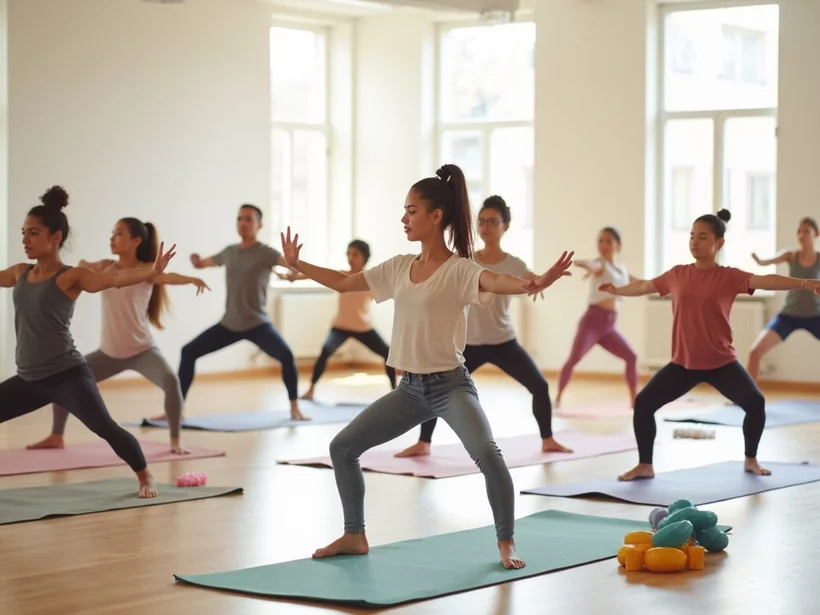
Creating effective movement programs requires a deep understanding of the diverse needs of participants. Did you know that customizing exercise routines can significantly enhance engagement and outcomes, especially for individuals with disabilities? At Health Moves, we prioritize inclusivity and adaptability to ensure everyone feels empowered in their fitness journey.
What You Will Learn
- The importance of customizing movement programs to cater to diverse needs such as age, disability type, and individual preferences.
- How to recognize and address varied learning and engagement styles to enhance program effectiveness.
- The process of integrating user feedback and creating detailed user personas to drive program customization.
- Strategies for developing age-specific programs that cater to the unique capabilities and interests of different generations.
- Best practices for fostering inclusivity in movement program design, ensuring that all participants feel valued and supported.
- How continuous feedback loops can lead to ongoing improvements in movement programs and strengthen community ties among participants.
Customizing Movement Programs: Key Factors for Consideration
This visual highlights important aspects to consider when designing customized movement programs for diverse needs. For more insights into how Exercise Physiologists contribute to NDIS plans, check out our article on Exercise Physiologists in NDIS Explained.
Diverse Needs
Recognizing the unique needs of individuals, including physical and intellectual disabilities, is essential for effective program design.
Engagement Styles
Incorporating visual, auditory, and kinesthetic learning styles enhances understanding and participation.
User Feedback
Regular feedback through surveys and one-on-one sessions is crucial for tailoring movement programs effectively.
User Personas
Creating detailed user personas allows for more personalized and effective movement program designs.
Understanding the Importance of Customizing Movement Programs for Diverse Needs
At Health Moves, we believe that every individual has unique needs when it comes to movement and exercise. Customizing movement programs is not just a trend; it's a necessity for achieving positive outcomes, especially for individuals with disabilities. By tailoring programs to fit diverse needs, we can ensure that each participant feels included and empowered in their fitness journey!
The journey of creating effective movement programs starts with understanding the diverse needs of participants. This understanding helps in crafting programs that resonate with them, leading to better engagement and results. Let's explore how we can define these diverse needs effectively.
Defining Diverse Needs in Movement Programs
When we talk about diverse needs, it encompasses a wide range of factors including age, disability type, and individual preferences. It’s essential to consider:
- Physical disabilities, such as mobility impairments
- Intellectual disabilities that affect understanding and engagement
- Chronic conditions that may require specialized programs
- Age-related considerations for younger and older adults
Recognizing these various demographics allows us to design programs that cater specifically to the distinct capabilities and challenges faced by each group. By doing so, we create an approach that fosters inclusivity! For more detailed information on how we support individuals with movement programs for intellectual disabilities, visit our dedicated page.
Exploring Different Demographics and Disabilities
Different demographics bring unique challenges and goals to the table. For instance, older adults may focus on improving balance and strength, while younger participants might seek fun and engaging activities. By exploring these differences, we can develop tailored movement programs that address specific outcomes. It’s about understanding the *whole person* rather than just their disability.
Moreover, we must acknowledge various disabilities, such as:
- Cognitive disabilities impacting learning and execution
- Physical limitations affecting mobility and strength
- Sensory impairments influencing engagement and participation
By recognizing these aspects, we can craft programs that truly cater to everyone’s needs.
Recognizing Varied Learning and Engagement Styles
It’s not just about physical capabilities; we also need to account for how individuals learn and engage. Some may thrive on visual aids, while others benefit from hands-on guidance. By incorporating these varied learning styles into our movement programs, we can enhance understanding and participation.
Consider the following engagement styles:
- Visual learners who prefer demonstrations and videos
- Auditory learners who grasp concepts through verbal instructions
- Kinesthetic learners who thrive on interactive, hands-on experiences
By acknowledging these differences, we can create more effective and personalized movement experiences at Health Moves!
The Role of Inclusive Personalization in Movement Programs
Inclusive personalization is at the heart of our approach here at Health Moves. It’s crucial to integrate user feedback to ensure that the programs meet the unique needs of participants. When participants feel heard, they are more likely to engage actively in their movement journey!
To make these programs truly *inclusive*, we also focus on creating detailed user personas that help guide our customization efforts. This practice allows us to visualize the participants' needs and aspirations, leading to more tailored and effective programs. Learn more about how we integrate NDIS and Exercise Physiology insights into our practice.
Integrating User Feedback for Tailored Experiences
Feedback from participants is invaluable. It helps us understand what is working and what needs improvement. By asking specific questions and encouraging open dialogues, we can gather insights that shape our movement programs to fit their requirements effectively.
When integrating user feedback, consider:
- Regular surveys to gauge satisfaction and effectiveness
- Focus groups to gather detailed input on program elements
- One-on-one sessions to discuss personal goals and challenges
This feedback loop not only improves the programs we provide, but it also fosters a sense of community and shared experience among participants.
Creating Detailed User Personas to Drive Customization
User personas are powerful tools that help us visualize our participants' needs. By creating comprehensive profiles that include demographics, preferences, and goals, we can tailor movement programs that resonate on a deeper level.
When developing user personas, consider including:
- Demographic information suchs as age and disability type
- Personal interests and preferred activities
- Goals related to health, fitness, and social engagement
This approach allows us to connect with participants more authentically, making their experience with Health Moves not just effective, but truly meaningful!
Addressing Special Population Needs in Movement Programs
At Health Moves, we recognize the importance of developing programs specifically for special populations. Understanding the various needs of these groups ensures that our programs are both effective and safe. Focusing on special populations allows us to implement targeted strategies that lead to successful outcomes for all.
For example, we tailor movement programs based on:
- Mobility impairments that require specialized exercises
- Chronic conditions that limit participation in traditional activities
- Age-specific considerations that ensure engagement across generations
By addressing these unique aspects, we empower individuals to achieve their fitness goals in a supportive environment!
Understanding Mobility Impairments and Chronic Conditions
Mobility impairments and chronic conditions can present significant challenges for many individuals. By understanding these challenges, we can design programs that prioritize accessibility and inclusion.
Key points to consider include:
- Adapting exercises to ensure safety and effectiveness
- Creating flexible schedules that accommodate varying energy levels
- Offering options for both group and individual sessions to enhance comfort
This understanding helps us foster a safe space where participants can thrive.
Designing Age-Specific Programs for All Generations
Age-specific programs are another essential aspect of our approach at Health Moves. Different age groups have varying capabilities and interests, which we need to acknowledge in our program design.
For effective age-specific programming, consider:
- Younger participants might enjoy high-energy activities like dance or martial arts
- Adults may seek strength training and flexibility exercises
- Older generations often benefit from low-impact activities that promote balance and mobility
By designing programs that cater to all generations, we can create a more inclusive environment that encourages lifelong engagement in movement! For those looking to set clear objectives, our guide on setting NDIS movement program goals can provide further assistance.
Engage with Us!
As we delve deeper into customizing movement programs, we want to hear from you! What unique needs do you think are most important to consider in creating effective movement programs? Share your thoughts and experiences below:
Summarizing Key Takeaways for Customizing Movement Programs
As we wrap up our discussion on customizing movement programs, it's important to reflect on the key takeaways. The essence of any successful program lies in its ability to be inclusive and adaptive. By focusing on the unique needs of individuals, we can ensure that everyone feels empowered to engage in movement, regardless of their circumstances. This aligns perfectly with our mission at Health Moves, where we strive to make NDIS supports not only accessible but truly beneficial for all participants.
The need for inclusivity in program design cannot be overstated. Engaging with participants and understanding their specific needs is crucial to creating effective movement programs. At Health Moves, we consistently emphasize the importance of this approach, as it leads to better outcomes for individuals with disabilities and their families.
Reinforcing the Need for Inclusivity in Program Design
Inclusivity begins with understanding who your audience is and what they require. Here are some vital aspects to consider when designing personalized movement programs:
- Identifying diverse demographics and their respective needs.
- Recognizing different engagement styles to enhance participation.
- Creating programs that cater to various physical and intellectual abilities.
By focusing on these areas, we can create an environment where everyone feels valued and supported. Continuous feedback is another essential aspect. Encouraging participants to share their experiences can lead to important insights that drive program improvements. To further understand how to create impactful programs, read about building movement programs for disabilities.
Highlighting the Importance of Audience Research
Conducting thorough audience research is a game changer in the customization process. It allows us to:
- Understand the specific challenges faced by individuals.
- Tailor programs that align with participants' interests and motivations.
- Adjust strategies based on real-time feedback and outcomes.
This data not only informs program design but also fosters a deeper connection between facilitators and participants. At Health Moves, we believe that understanding your audience is the cornerstone of creating impactful movement programs.
Encouraging Continuous Feedback and Adaptation
Continuous feedback is essential for ensuring that movement programs remain effective and relevant. By encouraging open communication, we can:
- Identify areas for improvement and necessary adjustments.
- Celebrate successes, no matter how small they may seem.
- Foster a sense of community among participants and their families.
At Health Moves, we prioritize ongoing conversations with our clients, understanding that their experiences guide us in providing the best support possible. This iterative process leads to stronger, more effective movement programs.
Call to Action: Implementing Customized Strategies for Diverse Needs
Now that we've highlighted the importance of custom movement programs, it's time to take action! If you're ready to enhance your movement experience or support someone else, consider these options:
- Explore available tools and resources to aid in personalization.
- Seek guidance from experts like the team at Health Moves to tailor programs.
- Engage in community workshops or training sessions for better understanding.
Getting started with your customized movement program today could be a transformative step! Remember, progress begins with one small step, and at Health Moves, we’re here to guide you through every movement.
Getting Started with Your Customized Movement Program Today
Embarking on your customized movement journey can be exciting! Begin with these steps:
- Assess your current fitness level and any specific needs.
- Consult with an Exercise Physiologist to outline your goals.
- Participate in tailored sessions that focus on your interests and abilities.
With our team at Health Moves, you’ll find a supportive environment that encourages growth and achievement, tailored just for you!
Addressing Common Questions and FAQs
Frequently Asked Questions about Customized Movement Programs
Here are some common questions and answers related to customizing movement programs for diverse needs:
- What is a customized movement program?
A customized movement program is an exercise routine specifically designed to meet the unique physical, cognitive, and emotional needs, preferences, and goals of an individual or group, especially those with diverse abilities or disabilities. - Why is customization important for individuals with disabilities?
Customization is crucial because individuals with disabilities often have specific physical limitations, chronic conditions, or learning styles that require tailored approaches to ensure safety, maximize effectiveness, and promote engagement and empowerment. - How does Health Moves gather feedback for program customization?
Health Moves integrates user feedback through regular surveys, focused group discussions, and one-on-one sessions. This allows us to understand participants' experiences, identify areas for improvement, and adjust programs to better meet their evolving needs. - What are user personas and how do they help in program design?
User personas are detailed profiles representing different types of participants, including their demographics, interests, preferences, and goals. They help designers visualize and empathize with participants, leading to more personalized and effective movement programs. - How are age-specific needs addressed in movement programs?
Age-specific programs consider the varying capabilities, developmental stages, and interests across different age groups. For example, programs for younger participants might focus on play and high energy, while those for older adults might prioritize balance and low-impact activities. - What role does inclusivity play in successful movement programs?
Inclusivity ensures that all participants, regardless of their abilities or backgrounds, feel valued, supported, and able to fully engage. It involves adapting exercises, recognizing diverse learning styles, and fostering an environment where everyone can achieve their fitness goals.
What Are the Key Components of a Customized Movement Program?
A customized movement program generally includes a thorough assessment, individualized goal setting, and ongoing adjustments based on feedback and progress. The focus is on creating an engaging and supportive environment tailored specifically for the participant's needs.
How Can I Measure the Effectiveness of My Custom Program?
Measuring effectiveness can be achieved by tracking various metrics such as progress in physical capabilities, participant engagement levels, and feedback from users. Regular assessments and open communication can also provide insights into how well the program meets the goals set at the beginning.
Recap of Key Points
Here is a quick recap of the important points discussed in the article:
- Customizing movement programs is essential for addressing the unique needs of individuals, particularly those with disabilities.
- Recognizing diverse needs, including physical and cognitive disabilities, age, and individual preferences, is crucial for creating inclusive programs.
- Incorporating various learning and engagement styles enhances participation and understanding in movement programs.
- User feedback is vital for tailoring experiences, leading to continuous improvement and community building.
- Creating detailed user personas helps visualize participants' needs, enabling more personalized movement experiences.
- Addressing the specific requirements of special populations ensures safety and effectiveness in program design.
- Age-specific programming caters to the varying interests and capabilities of different generations, promoting lifelong engagement in movement.