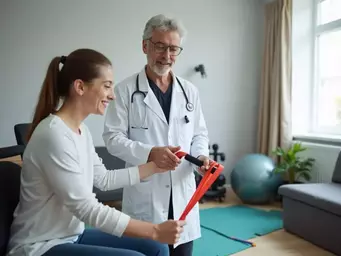
NDIS Exercise Physiologist Best Practices
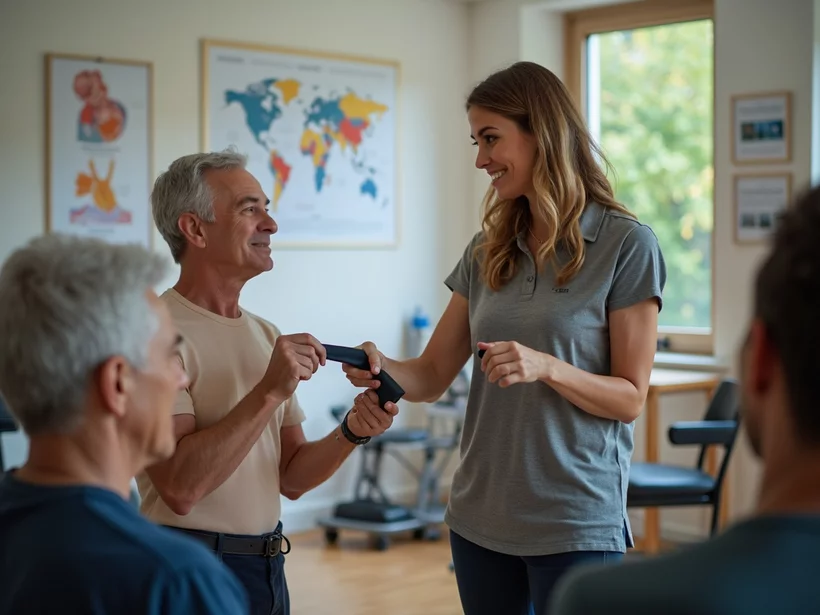
What if the key to unlocking better health outcomes lies in personalized, tailored support? In the landscape of the National Disability Insurance Scheme (NDIS), understanding the pivotal role of Exercise Physiologists can be a game changer for participants striving for improved well-being.
What You Will Learn
- The NDIS framework offers personalized support, enabling participants to tailor their plans according to individual needs and goals.
- Accredited Exercise Physiologists (AEPs) assess individual capabilities and design personalized exercise programs to enhance physical function.
- Client-centered care is fundamental in NDIS contexts, prioritizing open communication and active participation from participants in their care journeys.
- Effective budget optimization strategies can help NDIS participants make the most of their funding for exercise physiology services.
- Continuous professional development for exercise physiologists enhances the quality of care, ensuring they stay updated on best practices and emerging evidence.
- Fostering collaboration with carers and allied health professionals leads to holistic support, enhancing participant experiences and outcomes.
Key Practices for NDIS Exercise Physiologists
Here are essential takeaways for practitioners and participants in the NDIS landscape:
Individualized Exercise Programs
Focus on creating programs that cater to specific needs of each participant.
Budget Optimization Strategies
Adopt strategies to maximize NDIS funding for tailored support.
Continuous Professional Development
Engage in ongoing learning to enhance service delivery.
Collaboration with Carers
Foster teamwork with carers and allied health professionals for holistic support.
Understanding the Role of Exercise Physiologists in NDIS Settings
Understanding the role of Exercise Physiologists within the NDIS is crucial for individuals and families navigating disability support services. The NDIS, or National Disability Insurance Scheme, is designed to provide essential support to people with disabilities, ensuring they have the resources they need to thrive. At Health Moves, we see firsthand how vital these supports are for empowering participants to lead fulfilling lives! To learn more about how exercise physiology fits into the NDIS framework, consider reading our article on Exercise Physiologists in NDIS Explained.
The NDIS not only outlines the funding and resources available but also sets the stage for a collaborative approach to care. By involving various professionals, including accredited Exercise Physiologists, the NDIS ensures a holistic view of health and well-being, addressing both physical and emotional needs. This interconnectedness fosters an environment where trust and communication can flourish, benefiting all involved.
Defining NDIS and Its Importance in Disability Support Services
The NDIS is a game changer in disability support, allowing participants to access personalized services that cater to their unique needs. This framework enables individuals to receive support tailored to their specific circumstances, making service delivery more effective. As I often tell families, understanding how the NDIS works can significantly empower you to advocate for the services you deserve!
- Individualized Plans: Each participant has a customized plan based on their needs and aspirations.
- Funding Flexibility: Participants can choose how to spend their funding, allowing for tailored support.
- Community Engagement: The NDIS promotes social inclusion and community participation.
Moreover, the NDIS emphasizes the importance of collaboration between participants and service providers. This approach fosters a sense of ownership and accountability, enabling participants to actively engage in their journey towards improved health and well-being.
The Function of Accredited Exercise Physiologists (AEP) within the NDIS Framework
Accredited Exercise Physiologists play a vital role in helping NDIS participants achieve their goals through tailored movement programs. By leveraging their expertise, AEPs focus on optimizing physical function and enhancing overall quality of life. At Health Moves, we believe that everyone deserves access to supportive services that can truly make a difference! For more in-depth insights, explore NDIS and Exercise Physiology Insights.
- Assessment: AEPs assess individual needs and capabilities to design appropriate exercise programs.
- Tailored Programs: Programs are personalized, ensuring they align with each participant's goals and preferences.
- Support and Motivation: AEPs provide encouragement and guidance throughout the journey, helping participants stay motivated.
Through this collaborative process, AEPs not only facilitate better health outcomes but also empower participants to take charge of their physical health. It's a partnership that thrives on mutual respect and understanding!
Client-Centered Care in NDIS Contexts
Client-centered care lies at the heart of the NDIS framework, ensuring that individuals are treated as partners in their care journey. This approach fosters open communication, where participants feel heard and valued. At Health Moves, we prioritize this aspect, recognizing that each participant is unique and deserves tailored support.
- Active Participation: Participants are encouraged to engage in goal-setting and decision-making.
- Feedback Mechanisms: Regular check-ins and assessments ensure that programs remain relevant and effective.
- Holistic Approach: Care extends beyond physical health, incorporating emotional and social well-being.
By focusing on client-centered care, we create an environment that fosters trust and collaboration. This supportive atmosphere not only enhances participant experiences but also leads to more successful outcomes overall!
Pro Tip
When working with your Exercise Physiologist, be proactive in sharing your preferences and feedback. This open communication not only helps tailor your exercise program but also ensures that you remain motivated and engaged in your journey towards improved health. Remember, your input is invaluable in crafting a plan that fits your lifestyle and goals!
Maximizing NDIS Funding and Resources for Exercise Physiology Services
Understanding how to effectively manage NDIS funding is crucial for participants seeking exercise physiology services. At Health Moves, we recognize that navigating the complexities of the NDIS can be overwhelming. That's why we emphasize the importance of budget optimization strategies that allow you to make the most of your resources. By being aware of how funds can be allocated, individuals can access tailored support that truly makes a difference in their lives!
One of the first steps in maximizing funding is to carefully structure your services. This helps ensure that every dollar spent translates into significant benefits for your well-being. A well-thought-out budget can include:
- Prioritizing essential services based on individual needs.
- Choosing flexible program options that allow for adjustments.
- Exploring group sessions to share costs while still receiving quality support.
Budget Optimization Strategies for NDIS Participants
To effectively utilize your NDIS funding, it's essential to adopt strategies that align with your personal goals. These strategies can be tailored to your unique circumstances, making it easier to access the support you need. Here are some effective budget optimization techniques that I often recommend:
- Structuring Services to Maximize Funding Allocation: Plan your sessions based on your NDIS budget, ensuring that regular appointments are included.
- Cost-Benefit Analysis of Different Exercise Interventions: Compare the outcomes of various programs to determine which offers the best value for your investment.
- Tracking Spending: Maintain a record of your expenditures to stay within your budget and identify areas where adjustments may be needed.
By implementing these strategies, you can enhance your overall experience with exercise physiology services, ultimately leading to improved health outcomes and empowerment throughout your NDIS journey. For further guidance, consider our article on NDIS Exercise Physiology Funding Explained.
Continuing Professional Development for Exercise Physiologists
At Health Moves, we believe that the journey of learning never stops! For exercise physiologists, especially those working within the NDIS framework, continuous professional development is essential. Staying updated on best practices and emerging evidence ensures that we provide the highest quality services to participants.
Engaging in ongoing education not only helps physiologists enhance their skills but also supports the effective implementation of tailored programs for participants. This commitment to education can lead to better outcomes, fostering a deeper connection between physiologists and those they serve.
The Importance of Upskilling in NDIS Contexts
Upskilling within the NDIS context is vital for exercise physiologists as it directly impacts the quality of care provided. Here are some key areas where ongoing training can make a significant difference:
- Condition-Specific Knowledge: Understanding diverse disabilities and their specific needs ensures that programs are tailored effectively.
- Evidence-Based Practice: Staying informed about the latest research allows physiologists to implement the most effective interventions.
- Effective Communication: Enhancing communication skills helps foster better relationships with clients and their families, ensuring that everyone is on the same page.
Resources for Ongoing Education and Training
Finding the right resources for continued learning can be a game changer for exercise physiologists. Some valuable resources include:
- Online Courses: Many platforms offer specialized courses in exercise physiology and NDIS supports.
- Workshops and Conferences: Participating in professional events can provide insights and networking opportunities.
- Peer Learning Groups: Collaborating with fellow practitioners allows for sharing experiences and strategies that work well.
These resources not only enhance personal development but also contribute to better participant outcomes, aligning perfectly with our mission at Health Moves.
Recapping Best Practices for NDIS Exercise Physiologists
Summarizing essential takeaways from this article can greatly benefit both practitioners and participants in the NDIS landscape. Here are some key practices to keep in mind:
- Focus on creating individualized exercise programs that cater to specific needs.
- Adopt budget optimization strategies to maximize NDIS funding.
- Engage in continuous professional development to enhance service delivery.
- Foster collaboration with carers and allied health professionals for holistic support.
Frequently Asked Questions (FAQs)
Here are some common questions about Exercise Physiologists and the NDIS:
- What is the primary role of an Exercise Physiologist within the NDIS?
Accredited Exercise Physiologists (AEPs) assess individual capabilities and design personalized exercise programs to enhance physical function and overall well-being for NDIS participants. - How does the NDIS ensure personalized support for participants?
The NDIS framework emphasizes individualized plans, funding flexibility, and community engagement, allowing participants to tailor their support based on unique needs and goals. - What are some key strategies for NDIS participants to optimize their funding for exercise physiology services?
Effective strategies include structuring services to maximize funding allocation, performing cost-benefit analyses of different interventions, and diligently tracking spending to stay within budget. - Why is continuous professional development important for NDIS Exercise Physiologists?
Ongoing learning ensures AEPs stay updated on best practices, emerging evidence, and condition-specific knowledge, leading to higher quality care and better outcomes for participants. - How does client-centered care benefit NDIS participants?
Client-centered care encourages active participation in goal-setting, incorporates feedback, and adopts a holistic approach, fostering trust, collaboration, and successful outcomes.
Encouraging Action: Booking Consultations and Further Engagement
If you are an NDIS participant seeking tailored support, I encourage you to connect with accredited exercise physiologists like those at Health Moves. We are here to guide you through the process and help you develop a personalized movement program that aligns with your goals! For specific exercise programs for NDIS participants, you can find more information here.
Taking the next step is simple. Here are some actions you can consider:
- Schedule an Initial Consultation: Discuss your needs and explore how exercise physiology can benefit you.
- Engage with Your Care Team: Collaborate with your support network to ensure everyone is on board with your goals.
- Access Resources: Utilize available guides and tools to enhance your understanding of the NDIS and exercise supports.
Remember, you are not alone in this journey. Together, we can work towards achieving your NDIS goals and enhancing your quality of life!
Recap of Key Points
Here is a quick recap of the important points discussed in the article:
- Understanding NDIS: The NDIS provides personalized support, emphasizing individualized plans, funding flexibility, and community engagement.
- Role of Exercise Physiologists: Accredited Exercise Physiologists (AEPs) assess, design tailored programs, and motivate participants to enhance their physical health and well-being.
- Client-Centered Care: Encourages active participation, incorporates feedback mechanisms, and takes a holistic approach to care to foster trust and collaboration.
- Budget Optimization: Participants should prioritize essential services, choose flexible options, and track spending to maximize the use of NDIS funding for exercise physiology services.
- Continuous Professional Development: Ongoing training for AEPs is essential for improving care quality and adapting to participant needs through condition-specific knowledge and evidence-based practices.